Trusted Radiant Barrier Installation for Long Beach Homeowners
Radiant barrier installation in Long Beach typically costs $900–$2,600 depending on attic size and whether the material is applied to the roof deck or the attic floor. Most homes in our service area see the work completed in one day. If your upstairs rooms bake in the afternoon and the air conditioner runs constantly from June through October, a radiant barrier likely solves the problem at the source: the sun hammering your roof.
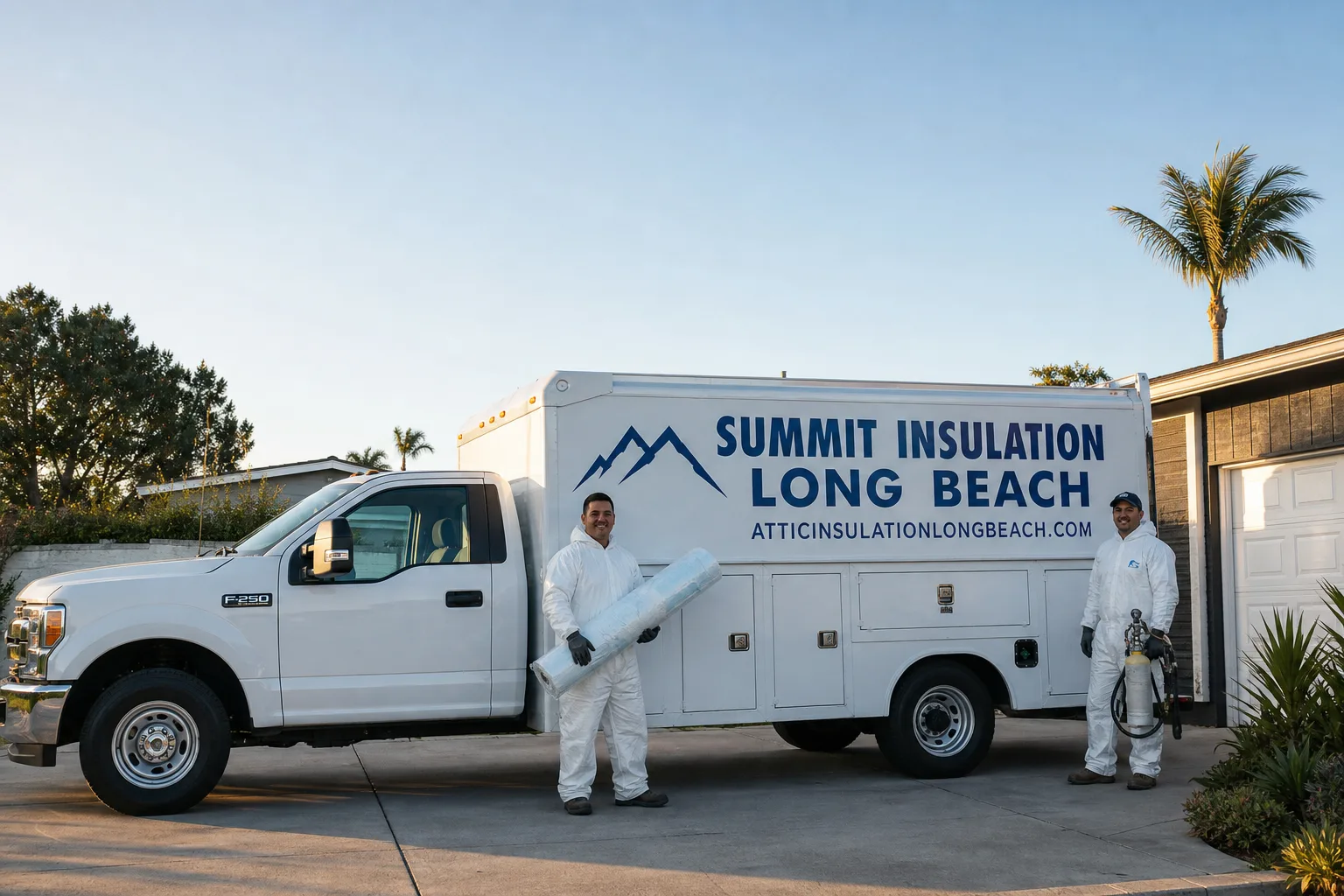
Summit Insulation Long Beach handles radiant barrier work daily across Los Angeles County. Nate Calloway, our owner, is the lead installer on every project. That means the person quoting the job is the same person in your attic stapling foil and checking the ventilation. Call (562) 784-9031 for a straight answer about whether your home is a good fit.
What Our Radiant Barrier Installation Service Includes
Radiant barrier is not insulation in the conventional sense. Batts and blown-in material slow conductive heat transfer. A radiant barrier reflects radiant heat before it ever enters your living space. In Long Beach, where summer roof deck temperatures routinely hit 140–160°F, that distinction matters a lot. We install our Radiant Barrier Installation in Long Beach as a standalone upgrade or alongside attic insulation, depending on what your home actually needs.
Attic Radiant Barrier
Attic radiant barrier is a reflective foil material, typically aluminum, installed across the attic floor or along the underside of the roof rafters. Its job is simple: bounce solar heat back toward the roof instead of letting it radiate down into your insulation and then into your home. When you have a standard ventilated attic with a shingle roof, this is usually the highest-impact, lowest-cost radiant barrier application. We measure your attic’s square footage, evaluate existing insulation depth, and install the barrier so it does not trap moisture or interfere with the insulation’s thermal performance. Nate handles the layout so seams overlap cleanly and the material stays taut, not sagging after one hot summer.
Radiant Barrier Foil
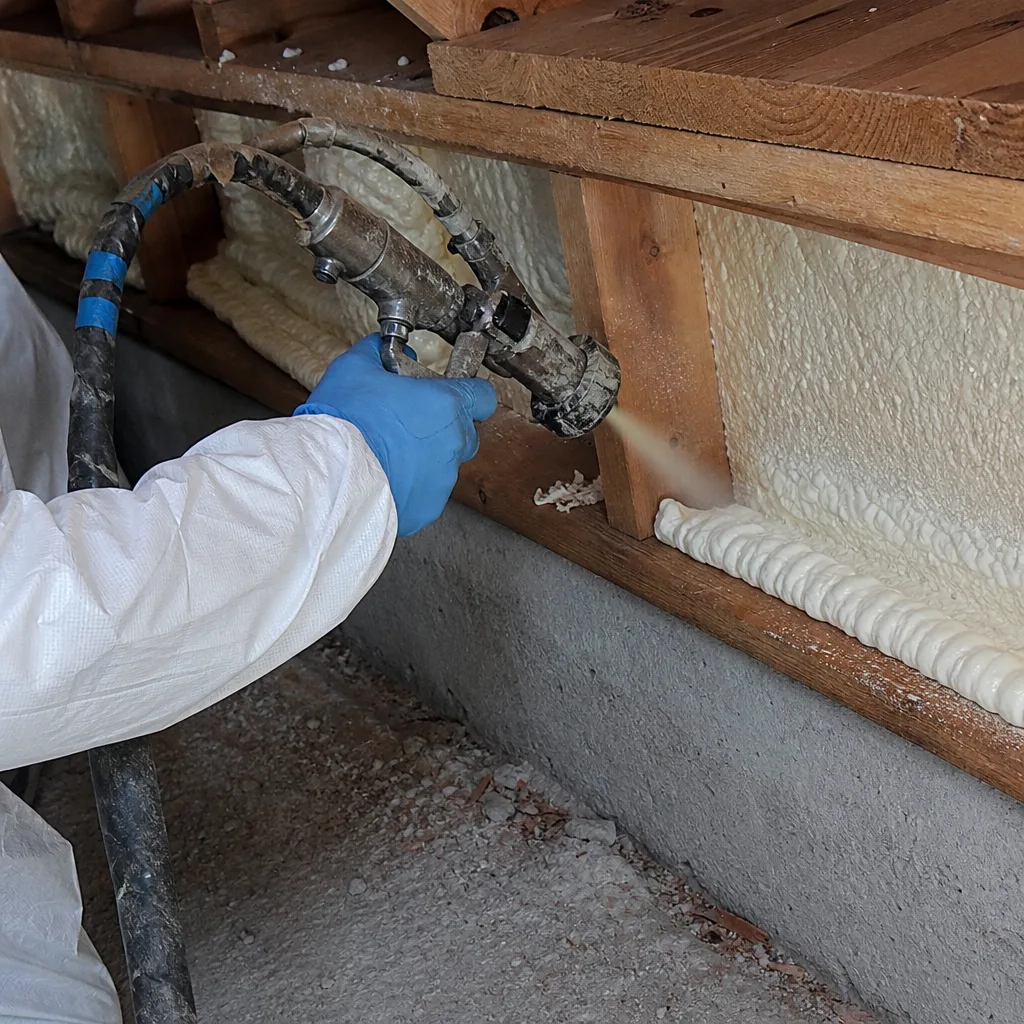
Radiant barrier foil is the raw material, sold in rolls, that we cut and fit to your attic’s specific dimensions. Some versions are single-layer foil, others are foil laminated to kraft paper or a woven scrim for extra tear resistance. What matters most is the emissivity rating; quality foil reflects 95% or more of radiant heat. We use heavy-duty foil that holds up to attic conditions without tearing during installation or degrading from humidity. In Long Beach’s coastal air, cheap foil can oxidize and lose reflectivity within a few years. The material we install is selected to last for decades.
Radiant Barrier Roof Deck
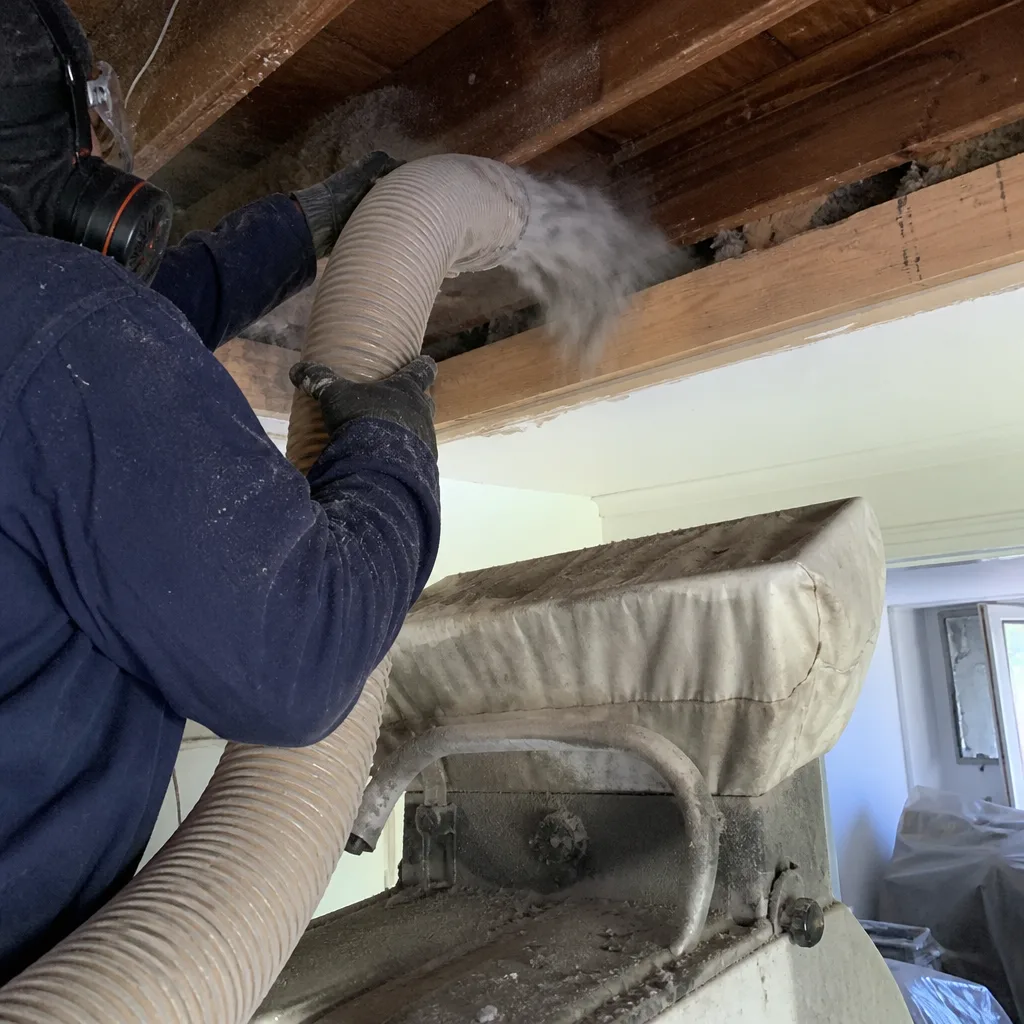
Roof deck radiant barrier goes directly against the underside of the roof sheathing, between the rafters. This is the right application when you have a cathedral ceiling, a finished attic, or ductwork running through the attic space. By creating a reflective surface at the roof deck, the barrier reduces the heat load on whatever is below it, including HVAC ducts that would otherwise bake in a 150°F attic. This installation requires more cutting and fitting around trusses, braces, and roof penetrations. We do it carefully and deliberately, because a poorly installed roof deck barrier can restrict airflow at the eaves and cause moisture problems. Summit checks your existing ventilation before deciding whether this layout makes sense for your roof assembly.
Radiant Barrier & Ventilation
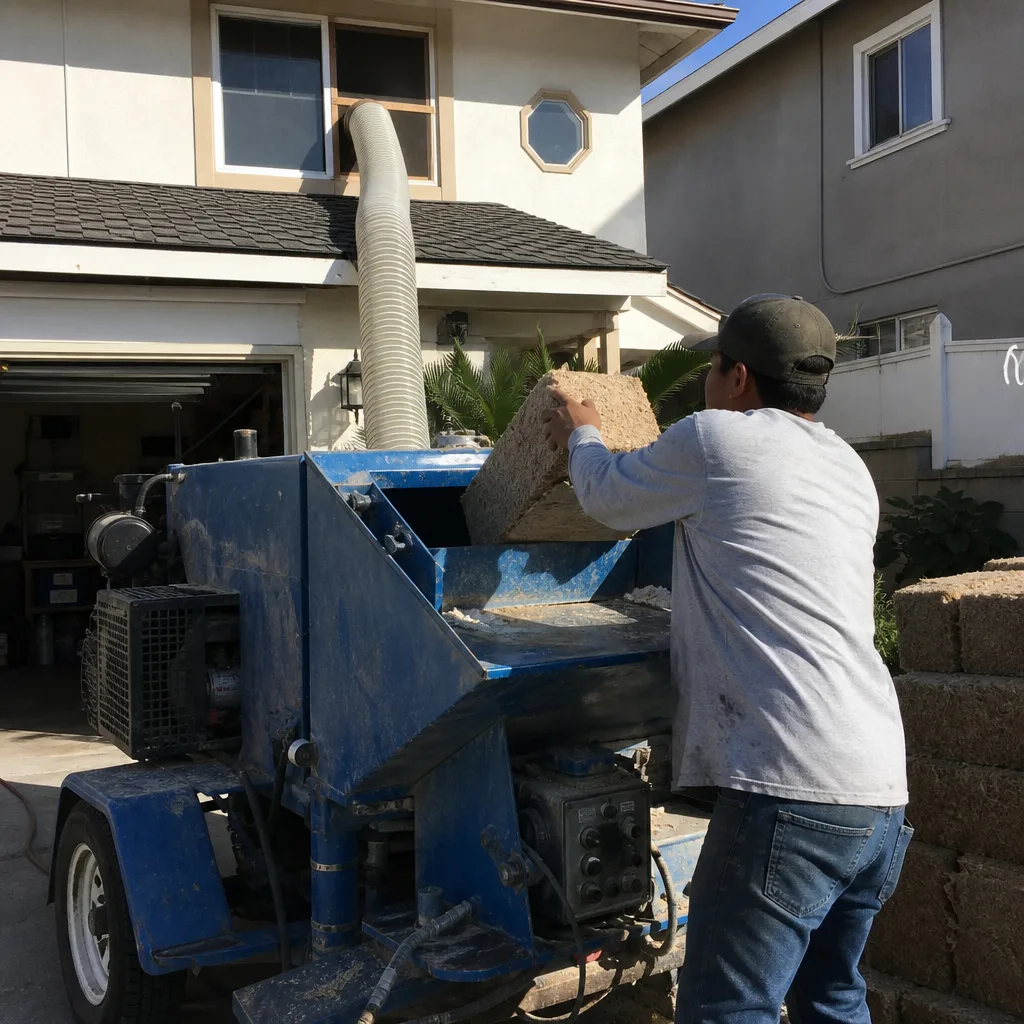
A radiant barrier only works properly when the attic has adequate airflow. If heat is reflected but not exhausted, the attic becomes a slow oven and the benefit is lost. We assess ridge vents, soffit vents, gable vents, and any powered ventilators as part of every radiant barrier installation. In many Long Beach homes built before the 1980s, soffit vents are undersized or blocked, and we’ll tell you before we install anything. The barrier and the ventilation have to work together. We won’t staple up foil and walk away if the attic is breathing poorly, because that’s wasted money and false comfort. When needed, we address ventilation improvements as part of the scope before the barrier goes in.
What happens when you call
- 1
A real person answersNo phone trees — you reach a local pro.
- 2
You get an upfront price rangeHonest numbers before anyone is dispatched.
- 3
A background-checked tech heads outLicensed & insured, dispatched right away.
- 4
You approve before work beginsNothing starts until you say go.
Brands We Service for Radiant Barrier Installation
Summit Insulation works with materials from several manufacturers, including Owens Corning and CertainTeed, so we can pair the right radiant barrier with the right insulation system rather than forcing one product into every attic. Owens Corning products are common in standard ventilated attics where faced fiberglass batts and a floor-installed radiant barrier work well together. We know how their materials perform and how to install the barrier without compressing their batts, which would quietly destroy the R-value.
For spray foam applications, we work with Icynene and Demilec systems. When an attic is being converted to a conditioned space or has closed-cell foam applied at the roof deck, a radiant barrier is typically not used, because the foam already serves as both an air seal and a heat barrier. Knowing when not to install a radiant barrier is as important as knowing how to install one. Whatever your home’s configuration, our job is to recommend the right material for the application, using brands whose performance we can stand behind.
Signs You Need Radiant Barrier Installation Right Now
- Upstairs rooms run 8–12°F hotter than downstairs in the afternoon. This is the most common complaint we hear in Long Beach, and it almost always traces back to a hot attic radiating heat through the ceiling. When the air conditioning can’t keep up despite running constantly, the roof is loading heat into the home faster than the system can remove it.
- Your attic is noticeably hotter than the outside air, even with vents open. If the attic reads 130°F or more on a mild 85°F day, the roof assembly is absorbing and radiating a huge amount of solar energy. A radiant barrier directly addresses this condition, reducing attic temperatures by 20–30°F in many cases.
- Your air conditioner runs in the evening hours even when outside temperatures drop. Thermal mass in the attic and ceiling continues releasing stored heat long after sunset. A radiant barrier reduces how much heat the attic absorbs during the day, which means less heat to release at night and fewer AC cycles.
- HVAC ducts run through the attic and rooms served by longer duct runs never reach set temperature. Ducts in an unconditioned attic pick up heat from the attic air. A roof deck radiant barrier or a floor barrier reduces the attic temperature around those ducts, so the conditioned air arrives cooler.
- Energy bills have crept up year over year without a change in the thermostat setting. Rising electricity costs explain part of it. But if usage in kilowatt-hours is also climbing during the cooling season, the home is working harder to reject the same heat. Installing a radiant barrier reduces the cooling load, which is the real fix for usage-based bill increases.
Our Radiant Barrier Installation Process — Step by Step
- 1
Attic assessment and measurement. Before we touch anything, we inspect the attic: roof pitch, framing layout, existing insulation type and depth, ventilation configuration, and any sign of moisture, pest activity, or electrical hazards. We measure the square footage that matters, because radiant barrier is priced per square foot and precision matters for both cost and coverage. We also take a look at your home’s orientation. A west-facing roof in Long Beach catches far more afternoon sun than a north-facing one, and that affects where the barrier delivers the most value.
- 2
Ventilation check and correction. A radiant barrier without proper airflow is a half-measure. We verify that soffit and ridge vents are open and unobstructed. If baffles are needed to keep insulation from blocking the airflow at the eaves, we install them. This step prevents the moisture problems that give radiant barrier a bad name when it is installed carelessly.
- 3
Material selection and layout planning. Based on the attic’s configuration and your existing insulation system, we choose between a floor-installed barrier or a rafter-installed barrier, and select the right foil weight and backing. Nate lays out the pattern before cutting so seams land on rafters or joists, never floating in free air. This kind of planning is the difference between a clean installation and a foil mess that sags within a year.
- 4
Installation. This is the main event. The barrier is stapled at proper intervals, seams overlapped, and edges trimmed around trusses, vent pipes, and framing penetrations. If we are also installing or topping up insulation, the radiant barrier goes in first and the insulation follows. For attic floor applications, the barrier is laid over the insulation with breathing space maintained to prevent condensation. If the application is a roof deck barrier, the work is more detailed. Every cut and seam gets the same attention.
- 5
Final inspection and cleanup. After installation, we walk the attic with you or provide photos so you can see what was done. We check seam coverage, confirm vents are still unobstructed, and remove all waste materials from the attic and the home. You get a clear explanation of what was installed, why it was installed that way, and what to expect in terms of attic temperature and comfort during the next heat wave.
How Much Does Radiant Barrier Installation Cost in Long Beach?
A typical attic radiant barrier installation in Long Beach runs $900–$1,800 for an attic floor application in a 1,200–2,000 square foot home. A roof deck application costs more, typically $1,500–$2,600, because the install requires more labor, more cutting around framing, and more attention to ventilation. Homes with cathedral ceilings or finished attic spaces fall at the higher end of the range.
What moves the price: attic accessibility, roof pitch, the condition of existing insulation, the amount of prep work required, and whether ventilation needs correction. The material itself is not the dominant cost; labor and careful fitting are. You avoid overpaying by working with someone who measures accurately and does not sell you more square footage than your attic actually has. Our free estimate includes exact measurements, a ventilation assessment, and the total installed cost before you commit to anything. No vague ranges, no surprise change orders.
Radiant Barrier Installation Near Long Beach — Our Service Area
Summit Insulation Long Beach serves homeowners throughout the greater Long Beach area, including Lakewood, Signal Hill, Bellflower, Carson, and Cerritos. Most radiant barrier installations in these cities are scheduled within a week, and single-day completion is standard. If you are in Lakewood and need radiant barrier installation, we can often assess your attic within a few days of your first call. Our Commerce radiant barrier installation work follows the same owner-direct model. And our home page outlines the full range of insulation and air sealing services we handle.
Serving Long Beach, CA — Our Local Coverage Area
We’re based in the Long Beach area and know this community well, including Signal Hill Radiant Barrier Installation projects. Use the map below to see our service coverage — if you’re nearby, we can almost certainly help.
Frequently Asked Questions — Radiant Barrier Installation in Long Beach
Radiant barrier installation is the process of fitting a reflective foil material inside your attic to reflect radiant heat from the sun away from your living space. The barrier works by reflecting solar heat that would otherwise radiate through the roof and into the home, and it is most effective in hot, sunny climates like Long Beach. It does not replace conventional insulation but works alongside it to reduce the total cooling load.
Most standard attic radiant barrier installations in Long Beach take four to eight hours and are completed same-day. A roof deck application or a home with a complex attic configuration can take a full day or occasionally two. When we provide your estimate, we’ll give you a clear time window based on your specific attic.
Radiant barrier installation in Long Beach typically runs $900–$2,600, depending on attic size, whether the barrier goes on the attic floor or the roof deck, and how much ventilation work is needed. An attic floor application in an average home usually lands between $900 and $1,800. Call (562) 784-9031 for a free, measured estimate for your specific home.
Yes. Summit Insulation works with materials from Owens Corning, CertainTeed, Icynene, and Demilec, so we can pair a radiant barrier with the insulation system that is already in place or specify the right combination from the start. We are not tied to a single manufacturer, which means the material recommendation is driven by your home’s needs rather than our inventory. We’ll tell you honestly whether a radiant barrier is even appropriate given the insulation you have.
We prioritize Long Beach and Carson Radiant Barrier Installation homeowners dealing with extreme attic heat during the summer months, and we can often perform an emergency assessment within 24–48 hours. If your air conditioning has failed and the attic is the suspected cause, let us know when you call. We’ll do our best to get eyes on your attic fast, and the estimate is free.
Summit Insulation backs our radiant barrier installation work, and the foil materials carry manufacturer warranties that vary by product. We’ll explain the specific warranty terms for the material we recommend before installation begins, so you know exactly what is covered and for how long. If an installation issue ever comes up, you call us, not a call center.
You do not need to do much. Clear access to the attic hatch or pull-down stairs is the main thing, and if your attic has stored belongings, we need enough room to move safely. We bring our own lighting, ladders, and protective equipment. We’ll ask you to keep pets and children away from the attic access point during installation for safety.
Schedule Your Radiant Barrier Installation Service in Long Beach Today
If your upstairs rooms are uncomfortable every summer afternoon and the AC runs nonstop, the fix may be in your attic. Call Nate at (562) 784-9031 to schedule a free, no-obligation estimate. You’ll get a measured quote, a straight answer, and work done by the person who quoted it.
Written by Nate Calloway, Owner and Lead Installer at Summit Insulation Long Beach, serving Long Beach and surrounding communities.