
Fast, Reliable Attic Insulation Across Rolling Hills Estates
Attic insulation in Rolling Hills Estates isn’t a quick blow-and-go job. The marine layer that sits over the Palos Verdes Peninsula keeps attics and wall cavities damp for months at a time, which means insulation here fails differently than it does in Torrance or Gardena. The problem is condensation and mold, not just heat loss. We work the Hill weekly and know exactly what those mid-century ranch homes need. If your attic smells musty or your upstairs rooms won’t hold temperature, call Summit Insulation Long Beach at (562) 784-9031. We’ll diagnose it properly.
Why Summit Insulation Long Beach Is Rolling Hills Estates’s Preferred Attic Insulation Company
We’re an owner-operated insulation contractor based in Long Beach, and Nate Calloway, our owner, serves as lead installer on every job that rolls into Rolling Hills Estates. That means the person who quotes your attic insulation is the same person in the attic, running the hose, checking the baffles, and air-sealing your top plates. No rotating crew. No subcontractor handoff. When a Rolling Hills Estates homeowner calls us about damp batts or a cold floor, they talk to someone who has actually worked inside homes off Palos Verdes Drive North and knows what the marine layer does to roof sheathing.
We stock materials from Owens Corning, Demilec, and GreenFiber so we’re not waiting on a supply house run when your attic is already open. Response time to Rolling Hills Estates is typically same-week, and we schedule around fog patterns when possible because working in a damp attic requires dry conditions to air-seal properly. Our local reputation on the Hill is built on that kind of practical judgment.
Our Attic Insulation Services in Rolling Hills Estates
Blown-In Attic Insulation
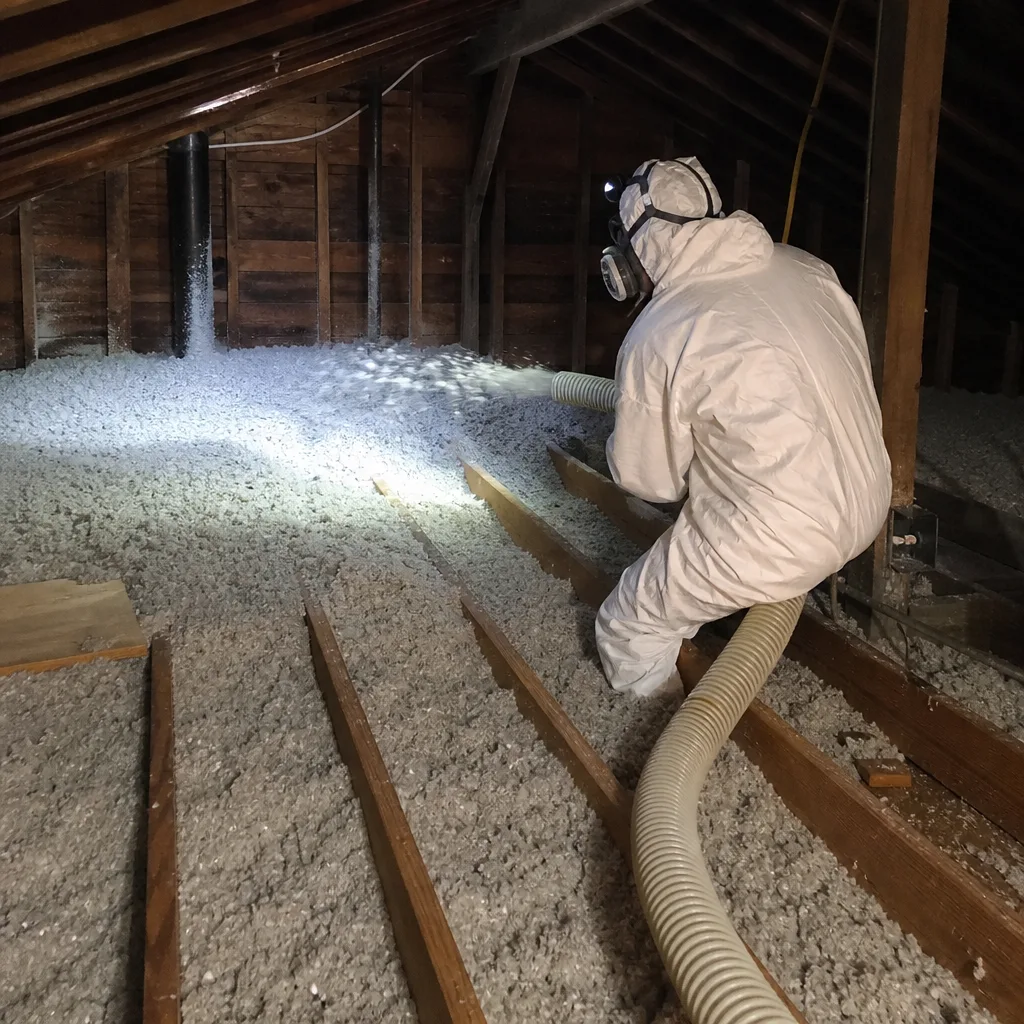
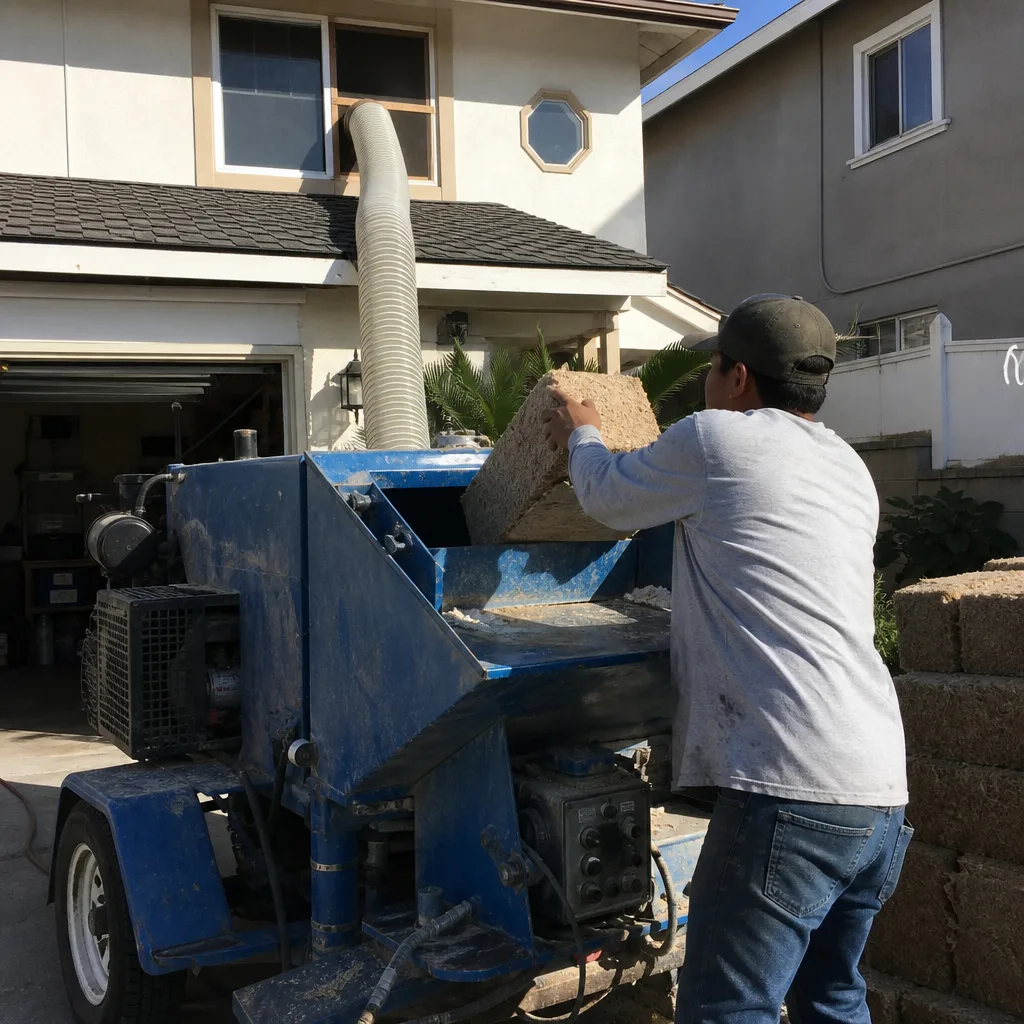
For most Rolling Hills Estates ranch homes, blown-in fiberglass or cellulose is the right call. We use Owens Corning AttiCat fiberglass and GreenFiber cellulose, both of which settle into odd joist bays and around wiring better than batts. In a mid-century attic with original 1950s framing, blown-in material gets you to R-38 or R-49 without tearing out the ceiling. We inspect your existing venting first because foggy nights mean condensation, and blocked soffit vents turn any blown-in attic into a mold incubator.
Attic Batt Insulation
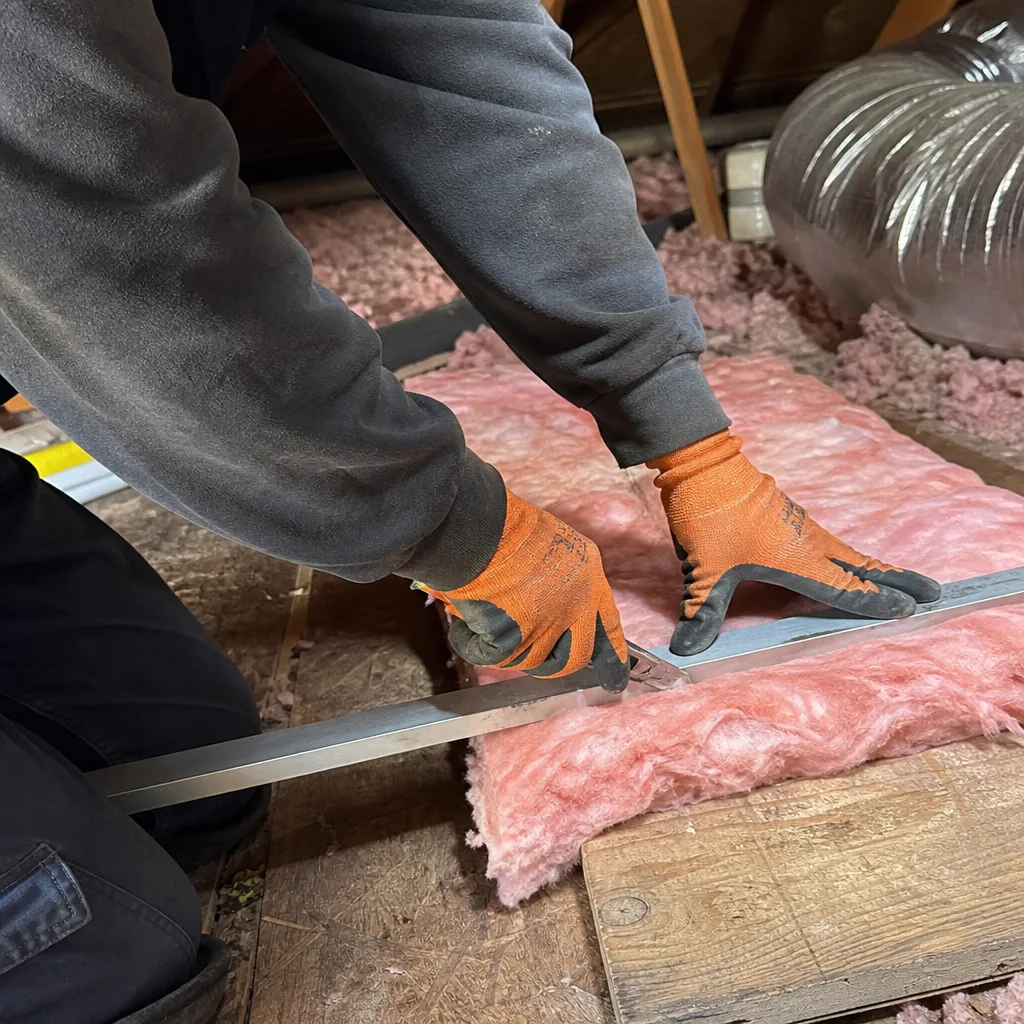
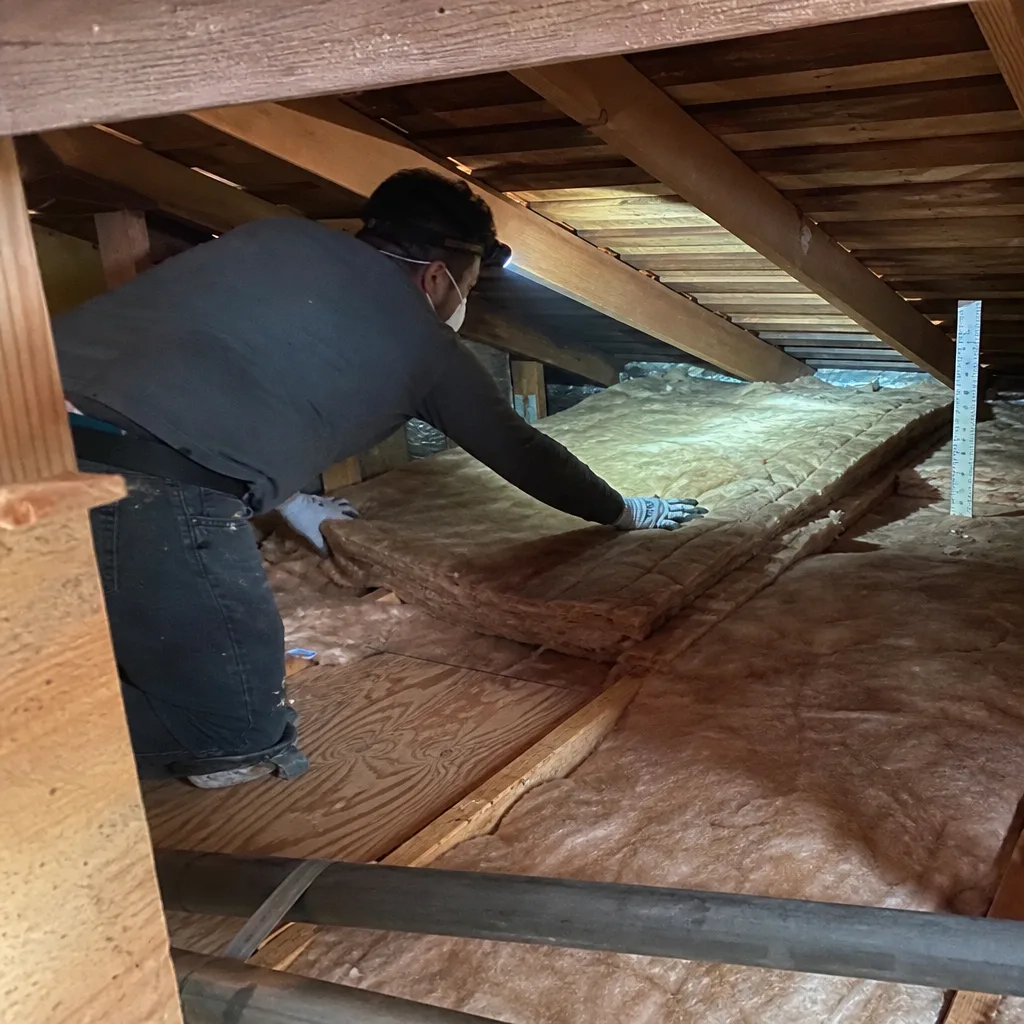
Batt insulation still has a place in Rolling Hills Estates, especially in attics where access is tight or where we’re working around old framing that can’t handle dense-pack pressure. Johns Manville and Owens Corning batts are available, and we use them where R-value per inch matters and the cavity depth is predictable. The catch on the Hill is moisture. Batts are more forgiving than some products when damp, but they’ll slump and lose R-value if exposed to repeated condensation cycles, which is exactly what the marine layer delivers. We check the existing roof deck condition before recommending batts.
Attic Insulation Top-Up
Plenty of Rolling Hills Estates homeowners figure they just need more insulation on top of what’s already there. Sometimes that works. A top-up in a dry attic with batts that are intact and unmatted can restore R-value cheaply. The problem is, on the Hill, “dry” is the exception. If your existing insulation has been absorbing marine-layer moisture for decades, adding more on top traps that damp below the new material. Before we top-up, we pull back a section and check. If the old stuff is wet, compacted, or mold-stained, a top-up is wasted money. We’ll tell you straight.
Attic Insulation Replacement
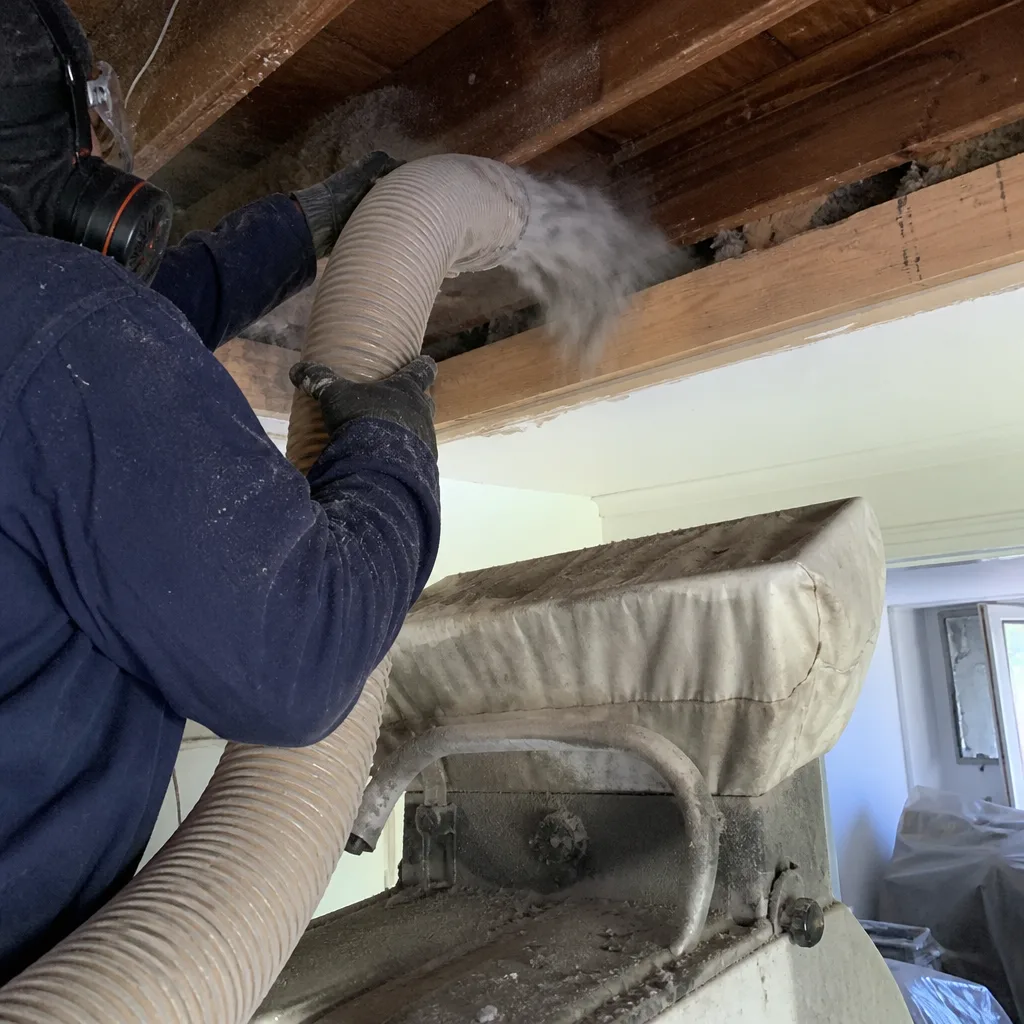
This is the service most Rolling Hills Estates homes actually need, and it’s the one we strongly recommend after inspecting attics in the older ranch neighborhoods. Original 1950s and 1960s fiberglass batts in these homes have often been sitting in a marine-layer moisture cycle for 40 or 50 years. They’re collapsed, dusted with mold, and doing almost nothing. Replacement means pulling all of it out, treating the sheathing, air-sealing, checking baffles, and installing fresh material rated for a coastal climate. It’s more work than a top-up, but it’s the difference between fixing the problem and burying it. See our full Attic Insulation service details for more on how we handle removal and prep.
What happens when you call
- 1
A real person answersNo phone trees — you reach a local pro.
- 2
You get an upfront price rangeHonest numbers before anyone is dispatched.
- 3
A background-checked tech heads outLicensed & insured, dispatched right away.
- 4
You approve before work beginsNothing starts until you say go.
Trusted Brands We Service in Rolling Hills Estates
The right material matters on the Palos Verdes Peninsula, so we don’t stock one brand and force it on every attic. For blown-in fiberglass in Rolling Hills Estates, we run Owens Corning AttiCat. For dense-pack cellulose with good moisture buffering in older attics, we spec GreenFiber. For closed-cell spray foam that also acts as an air and vapor barrier in vented crawl spaces, we install Demilec. We keep these stocked for Rolling Hills Estates jobs so turnaround is fast, and we know how each performs in fog-heavy microclimates. Most insulation contractors pick whatever’s cheapest. We pick what won’t fail when June gloom lingers into August.
Common Attic Insulation Problems We See in Rolling Hills Estates Homes
- Condensation-soaked batts losing R-value. The Pacific marine layer keeps roof sheathing cold and attic air humid. Original fiberglass batts wick that moisture, slump against the joists, and lose the air pockets that give them thermal resistance. A 1960s attic that started at R-19 might be performing at R-7 today.
- Raised foundations pulling damp air through uninsulated floors. Most Rolling Hills Estates homes sit on post-and-pier or vented crawl spaces. Cold, damp air enters the crawl, flows through uninsulated floor joists, and rises into the attic. The attic insulation then has to fight moisture from below and condensation from above.
- Unsealed top plates and plumbing penetrations. Mid-century ranch homes were built before air-sealing was standard practice. Humid indoor air rises through gaps around top plates, can lights, and plumbing chases, then hits the cold roof deck at night and condenses. We find mold on sheathing directly above these gaps more often than not.
- Blocked or inadequate soffit vents. Older homes on the Hill often have original continuous soffit vents that have been painted over or crushed by roofing work. Without airflow, moisture has no exit path. Ventilation prep before insulation goes in is standard on our Rolling Hills Estates jobs.
Pricing for Attic Insulation in Rolling Hills Estates, CA
A typical blown-in attic insulation replacement in Rolling Hills Estates runs $1,800 to $3,400 for a 1,200 to 1,800 square foot ranch home, depending on existing material removal and air-sealing scope. Top-ups on dry attics run $800 to $1,500. Full attic insulation replacement with mold treatment on sheathing and venting prep runs $3,000 to $5,500. If your attic needs air-sealing and baffle work before new insulation, expect $600 to $1,200 added. These are real numbers for Rolling Hills Estates, not LA County averages. Get an exact quote by calling (562) 784-9031. Estimates are free, and Nate walks the attic before quoting so there are no surprises.
We Also Serve Cities Near Rolling Hills Estates
Summit Insulation Long Beach runs crews throughout the South Bay and harbor area. Beyond Rolling Hills Estates, we regularly schedule Attic Insulation in Rolling Hills Estates jobs in Long Beach, Lakewood, Commerce, and Whittier. If you’re on the edge of the Hill or down toward PV Drive East, call us. We’ll let you know which day we’re in your area.
Serving Rolling Hills Estates, CA — Our Local Coverage Area
We’re based in the Rolling Hills Estates area and know this community well. Use the map below to see our service coverage — if you’re nearby, we can almost certainly help.
FAQs — Attic Insulation in Rolling Hills Estates
It’s the marine layer. Rolling Hills Estates sits on the Palos Verdes Peninsula at higher elevation and closer to the ocean’s fog path, so attics and wall cavities stay damp much longer each day than flatland cities like Torrance or Gardena a few miles east. The persistent dampness means condensation forms on the underside of roof sheathing at night, and fiberglass batts wick that moisture like a sponge. The result is mold and R-value loss in 10 to 15 years instead of 30. If you suspect mold in your attic insulation, call (562) 784-9031 for an inspection.
Look for three signs. First, that musty smell upstairs, especially after foggy stretches. Second, batts that look flat, darkened, or wet at the top when you peek into the attic. Third, condensation or mold stains on the underside of the roof deck sheathing. If any of those are present, the insulation is losing R-value or actively holding moisture. In Rolling Hills Estates, that’s more of a “when” than an “if” for unvented or under-vented attics. We can inspect it and tell you exactly what’s going on.
No, not if the existing batts are damp or moldy. Adding new insulation over wet material traps the moisture below the new layer and speeds up the damage to your roof sheathing. You’d be paying to compound the problem. In Rolling Hills Estates, where marine-layer moisture is the primary failure mode, the old insulation has to come out first. From there we treat the sheathing, air-seal, and install fresh material. It costs more than a top-up, but it’s the only method that actually stops the mold cycle.
Yes, and it’s a bigger factor than most people realize. The post-and-pier and vented crawl spaces common in Rolling Hills Estates ranch homes pull cold, damp marine air through the floor assembly. That air rises up through the walls and into the attic, adding moisture from below while fog adds it from above. Your attic insulation is dealing with two moisture sources. We often recommend crawl space air-sealing or encapsulation alongside attic insulation work because fixing only the attic leaves the lower half of the thermal envelope still leaking. The two problems are connected.
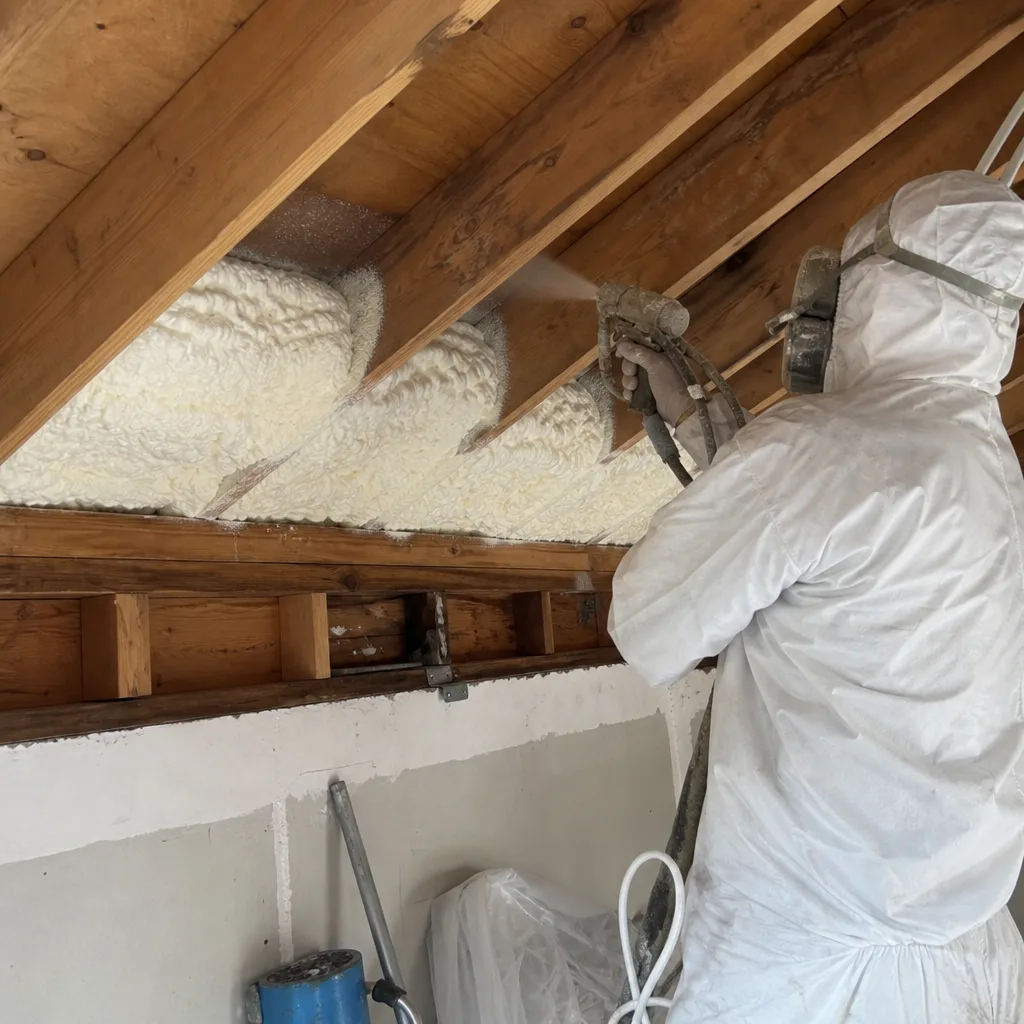
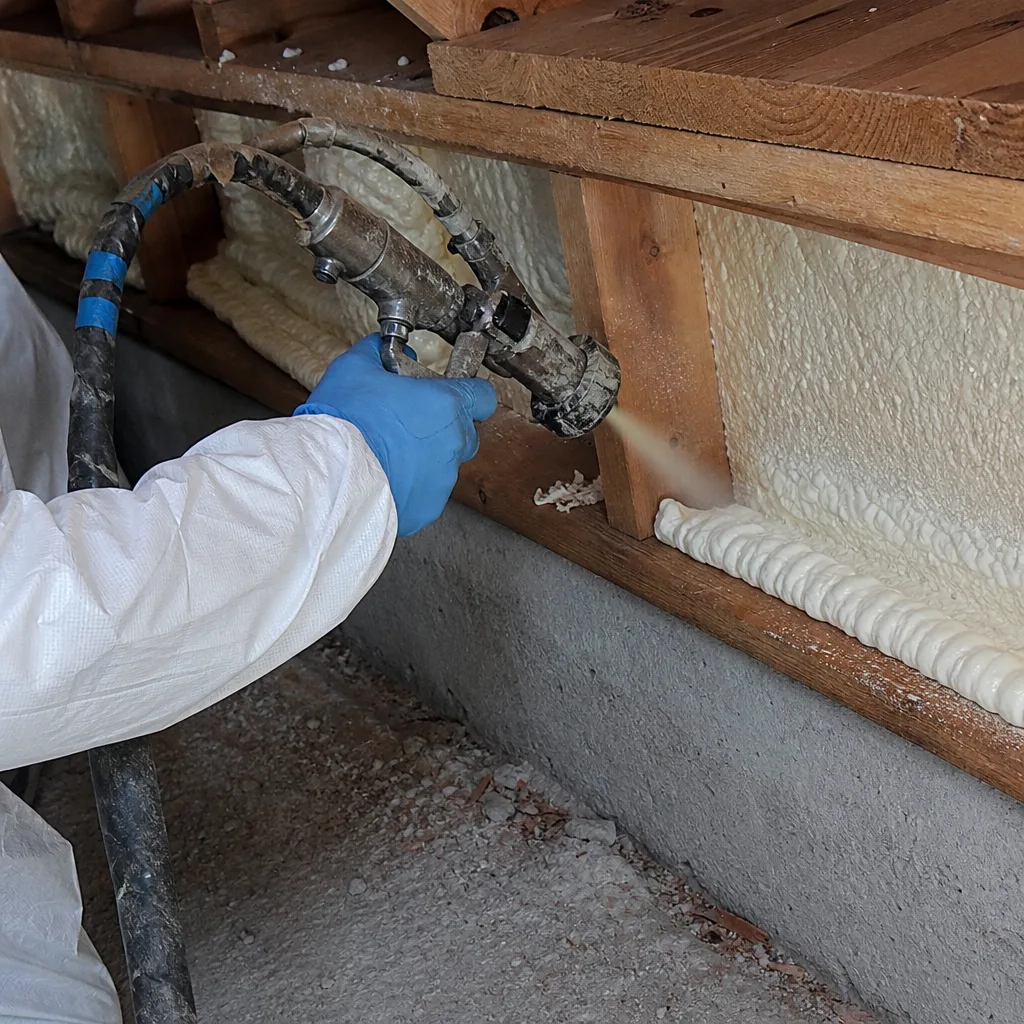
Closed-cell spray foam, like Demilec, works best in attics with chronic condensation because it acts as both insulation and a vapor barrier, sealing out moisture entirely. The tradeoff is cost. For homeowners who want a more affordable option, blown-in fiberglass from Owens Corning installed with proper air-sealing and ventilation prep performs well when the attic can dry out during the day. Cellulose from GreenFiber also works because it buffers moisture better than fiberglass. The key isn’t the material alone. It’s the air-sealing, baffles, and venting that keep any material dry. Call (562) 784-9031 and we’ll walk the attic to recommend the right setup for your specific house.
Your Attic Insulation Partner on the Palos Verdes Peninsula
Rolling Hills Estates homes have a specific problem, and we’ve spent years figuring out what actually solves it. The marine layer here means the standard “blow in more insulation and call it done” approach fails, sometimes in under a decade. What works is a sequence: remove compromised material, air-seal the top plates, fix the venting, install the right product for your attic’s moisture profile, and inspect the crawl space while we’re at it. That’s the whole job, and that’s what we do. Nate Calloway, our owner and lead installer, has been through enough Rolling Hills Estates attics to know exactly what your house is up against. If your energy bills climb every foggy stretch, or the upstairs smells like an old basement, call Summit Insulation Long Beach at (562) 784-9031. We’ll come out, inspect the attic, and give you a straight answer with a free estimate.
Written by Nate Calloway, Owner and Lead Installer at Summit Insulation Long Beach, serving Rolling Hills Estates and the South Bay since 2008.