
Trusted Crawl Space Encapsulation & Vapor Barrier for Long Beach Homeowners
Crawl space encapsulation in Long Beach typically costs $4,000 to $12,000 depending on square footage, access, and the current condition underneath your house, and most projects are completed in two to three days. That’s the number our customers ask about first, but the real question is what’s happening under your floor right now. With Long Beach’s marine layer pushing humidity into homes from Belmont Shore to Bixby Knolls, an unsealed crawl space means damp air rising through your floorboards every single day. We also provide Crawl Space Encapsulation & Vapor Barrier — Long Beach services throughout the city.
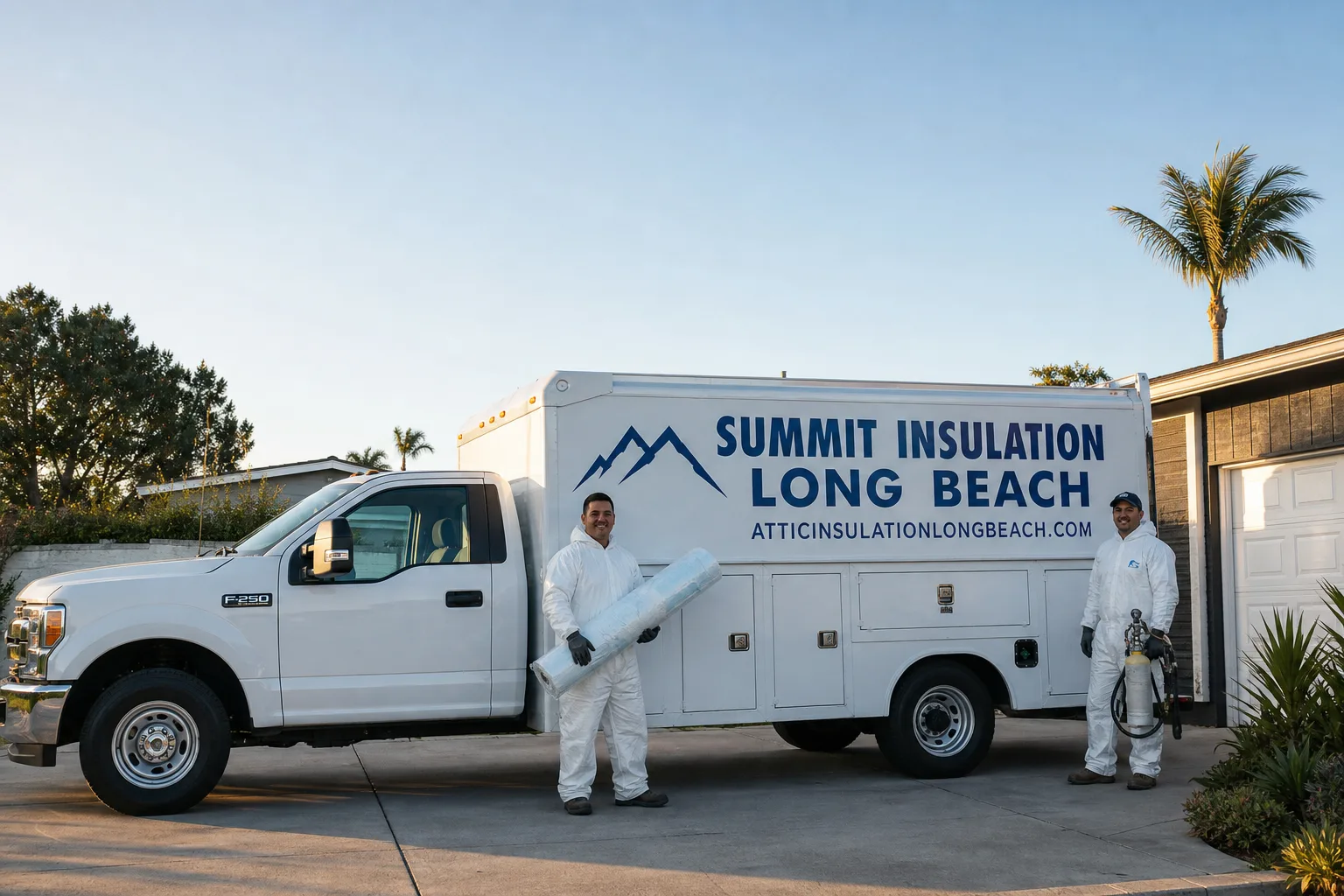
We’re Summit Insulation Long Beach, and Nate Calloway, our owner and lead installer, runs every crawl space job himself. No subcontractors, no rotating crews. You’ll see the same face from the first inspection to the final cleanout. If you’ve noticed musty odors, sagging floors, or a heating bill that won’t budge, call us at (562) 784-9031 for a free crawl space assessment.
Key Takeaways:
- Encapsulation seals your crawl space from ground moisture and outside humidity, protecting floors and indoor air.
- Long Beach’s coastal climate makes vapor barriers a year-round necessity, not a seasonal upgrade.
- Every job is installed by the owner, using name-brand materials matched to your home’s specific conditions.
- Free estimates include a full crawl space inspection and a written scope of work, no guesswork.
What Our Crawl Space Encapsulation & Vapor Barrier Service Includes
Crawl space work is never one-size-fits-all. A 1940s bungalow in Rose Park needs a different approach than a 1990s tract home in El Dorado Park. We scope each project from the floor joists down, and these are the five services we bring together under one roof.
Crawl Space Vapor Barrier
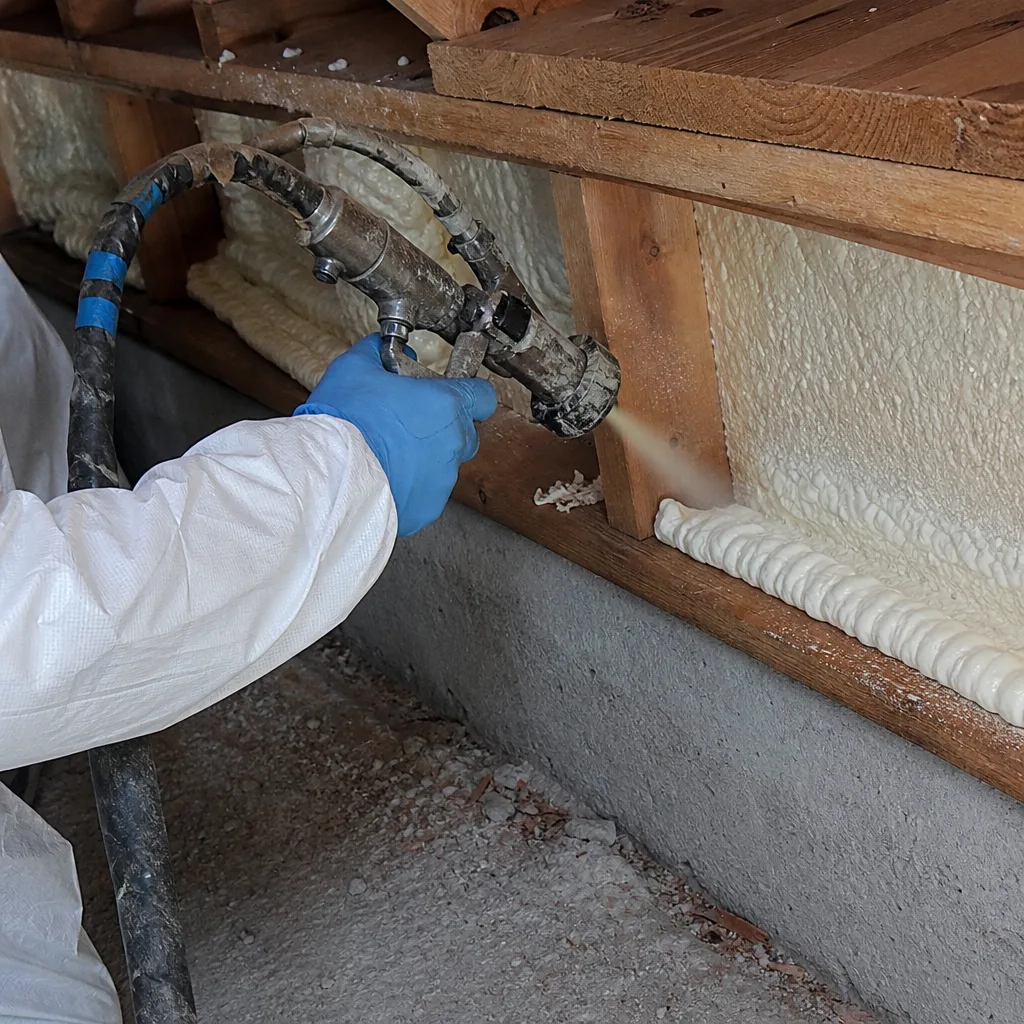
A vapor barrier is a heavy-duty polyethylene sheet laid across the dirt floor of your crawl space to stop ground moisture from evaporating into your home. In Long Beach, where soil moisture stays high even during dry spells, this is the single most effective first step for most homes. We install 10-mil or thicker reinforced poly, run it up the foundation walls, and seam everything with tape and mechanical fasteners so it stays put for decades.
Crawl Space Encapsulation
Encapsulation takes the vapor barrier a step further by sealing the entire crawl space from outside air: floor, walls, piers, and often the rim joists. Think of it as converting a dirt-floored crawl space into a clean, conditioned buffer zone under your house. In Long Beach’s marine climate, encapsulation also helps control the humidity that wood-destroying fungus and termites thrive in. We plan access points, drainage, and dehumidification needs before we ever cut a roll of liner.
Crawl Space Insulation
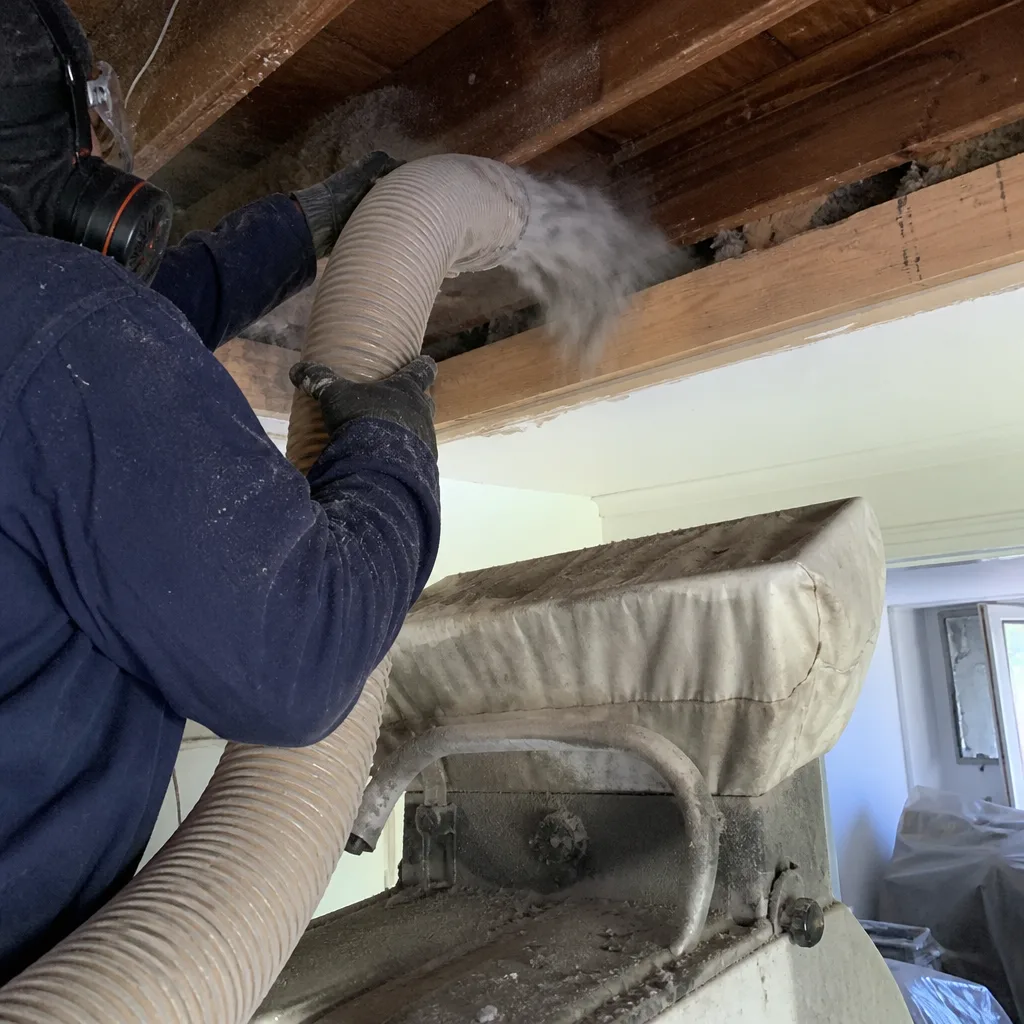
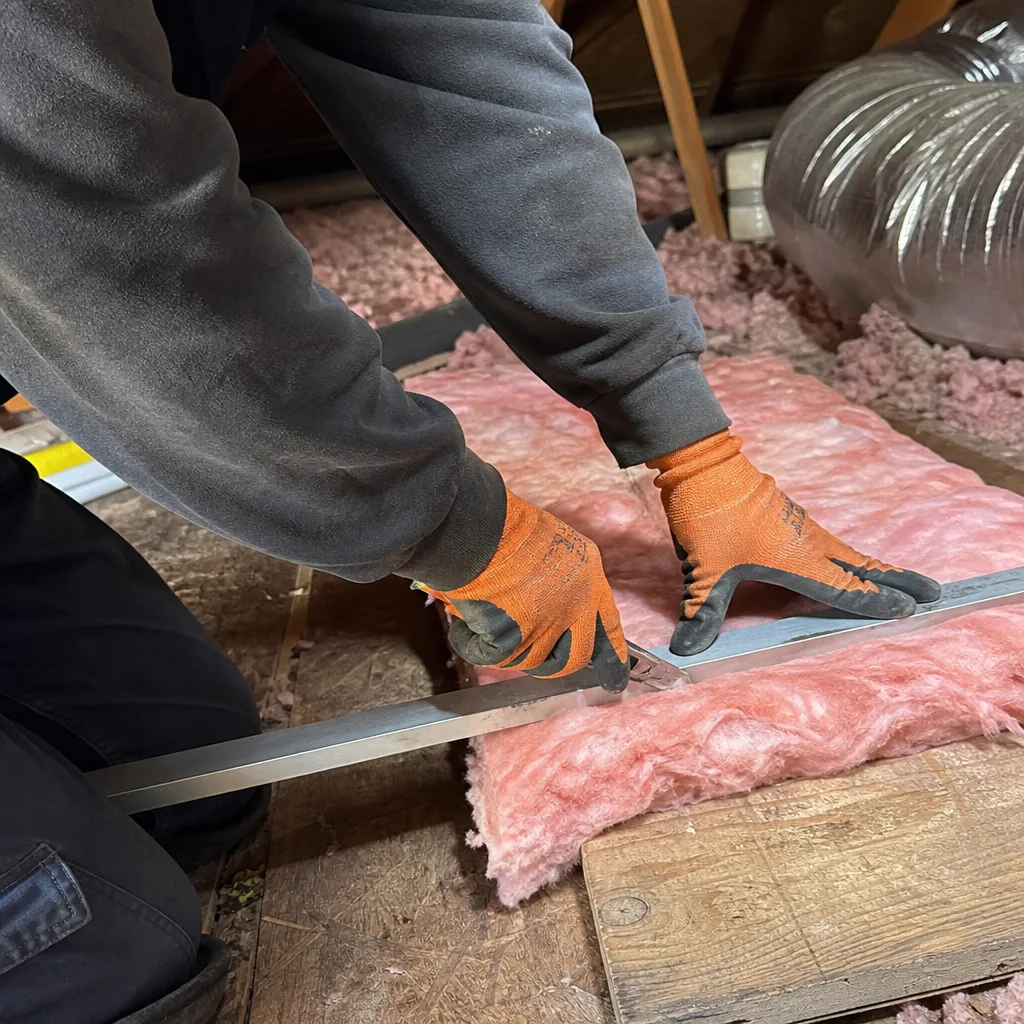
Crawl space insulation works differently depending on whether your crawl space is vented or sealed. In an encapsulated crawl space, we typically insulate the foundation walls with rigid foam board or closed-cell spray foam, keeping the space itself within a few degrees of your living room. In a vented crawl space, we focus on floor insulation between joists, using materials like Rockwool or fiberglass batts that resist moisture and don’t collapse. Nate will tell you which approach actually makes sense for your house after seeing it, not before.
Crawl Space Moisture Control
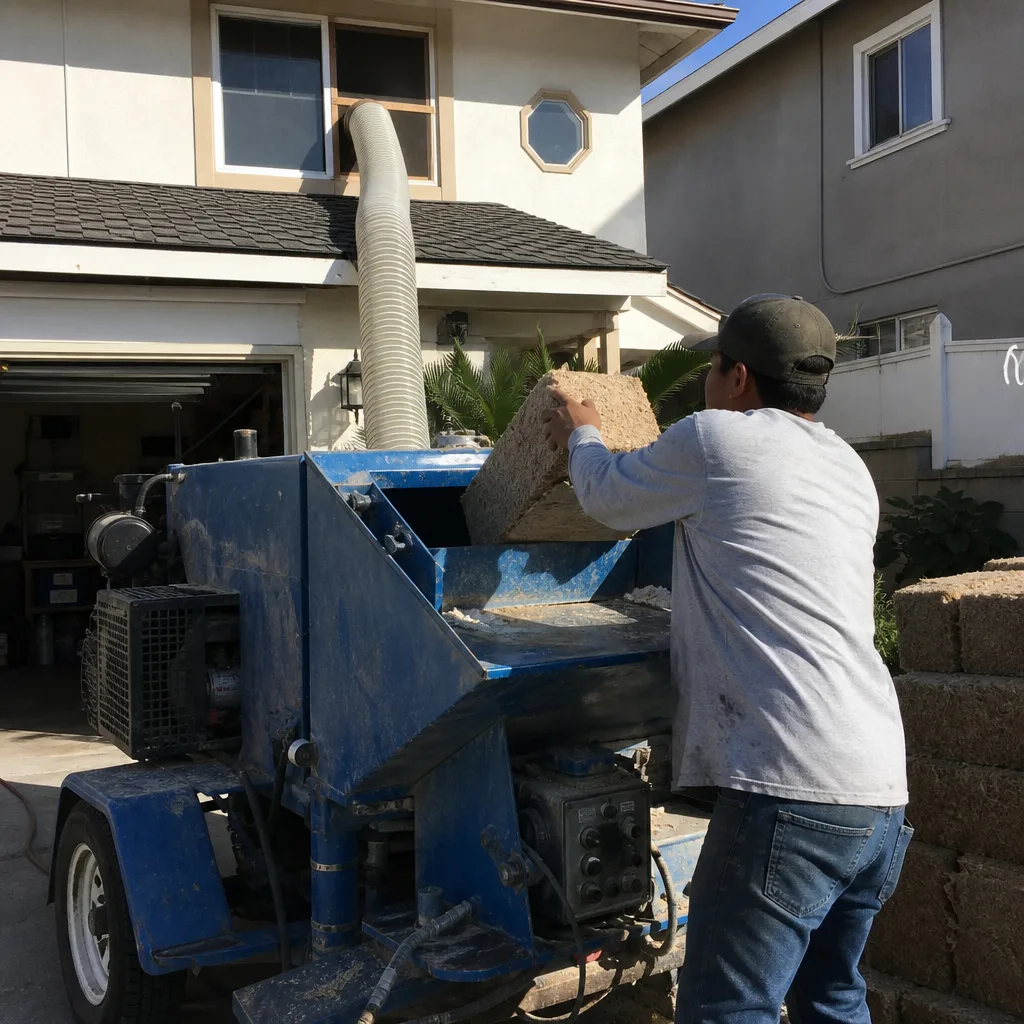
Moisture control is the layer of the job that keeps encapsulation from failing. That means checking grading around the foundation, making sure downspouts discharge away from the house, and identifying whether you need a dehumidifier or a sump pump. In neighborhoods like Naples and the Peninsula, where the water table sits close to grade, we routinely see standing water that venting alone will never fix. We correct the water source first, then seal the space.
Crawl Space Cleanout
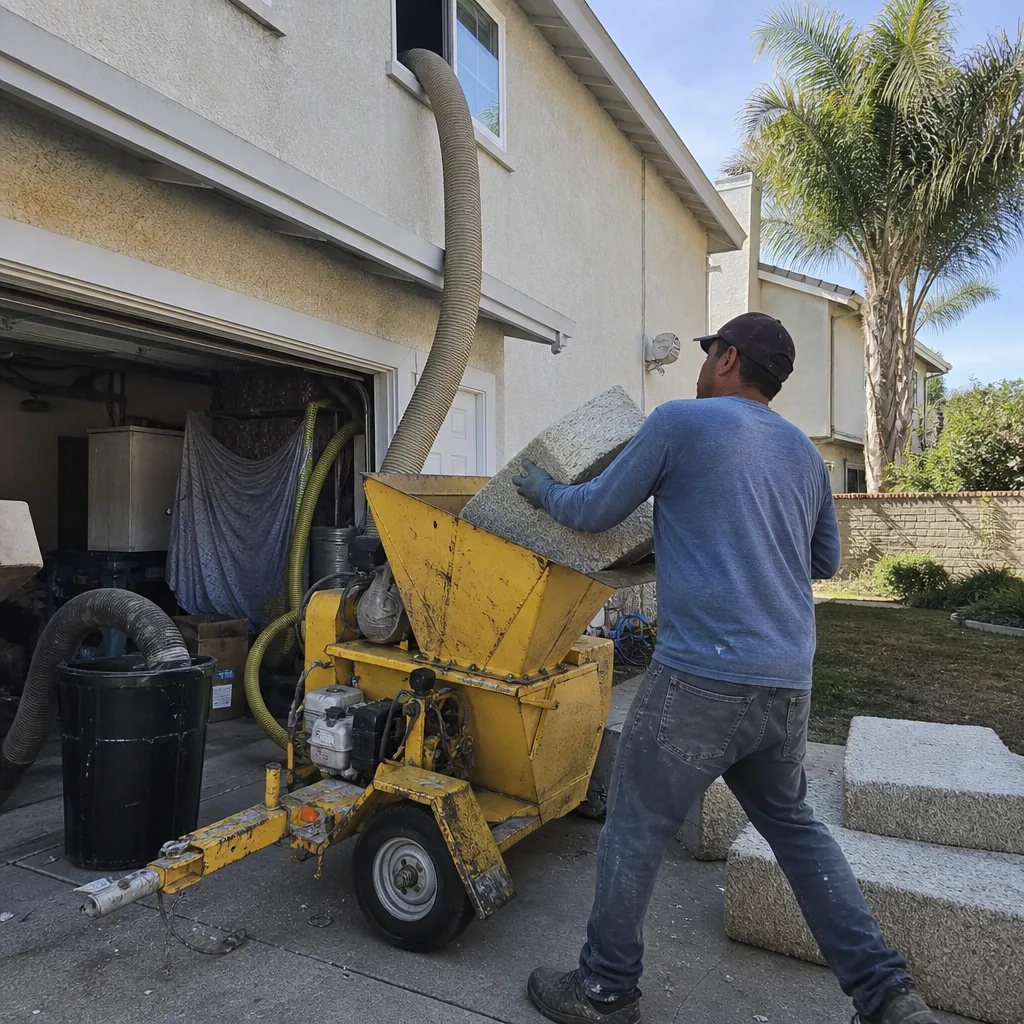
Before encapsulation or insulation can go in, the existing crawl space often needs to be cleaned out: old fiberglass that’s fallen, rodent droppings, construction debris, dead pests, and whatever else accumulated over the decades. We remove all of it by hand, bag it, and dispose of it properly. No new material goes down on top of old contamination. That’s a hard rule at Summit Insulation Long Beach.
What happens when you call
- 1
A real person answersNo phone trees — you reach a local pro.
- 2
You get an upfront price rangeHonest numbers before anyone is dispatched.
- 3
A background-checked tech heads outLicensed & insured, dispatched right away.
- 4
You approve before work beginsNothing starts until you say go.
Brands We Service for Crawl Space Encapsulation & Vapor Barrier
We don’t install whatever’s on sale at the supply house that week. For crawl space work, we pull from a specific, short list of manufacturers whose materials we know bottom to top. For rim joist and foundation wall insulation inside an encapsulated crawl space, we use Demilec closed-cell spray foam regularly, and for projects where foam isn’t the right call, we’ll spec Owens Corning fiberglass batt insulation for floor joist cavities or Rockwool mineral wool when fire resistance and moisture tolerance both matter. Each material has a specific job, and we pick based on your crawl space conditions, not habit.
Nate has worked with Icynene open-cell and closed-cell foams for years and knows how they perform in coastal humidity environments like Long Beach, Carson, and Lakewood. The point isn’t brand loyalty for its own sake: it’s that an owner-installer develops hard-won familiarity with how each manufacturer’s product behaves in the field, and that experience shows up in the finished job. Whether you end up with Demilec, Owens Corning, Rockwool, or another material entirely, you’ll know why we chose it and what it’s doing under your floor.
Signs You Need Crawl Space Encapsulation & Vapor Barrier Right Now
- Musty or earthy odors in your living space. That smell is almost certainly moisture evaporating from the crawl space floor into your home. It means your vapor barrier is missing, torn, or incomplete, and every day it continues, the indoor air you’re breathing picks up whatever grows in damp soil.
- Condensation or sweating on your air ducts and floor joists. In Long Beach’s coastal humidity, exposed ductwork in a vented crawl space can drip water even when it hasn’t rained in months. That moisture rots wood, rusts metal, and shortens the life of your HVAC system.
- Uneven floor temperatures, cold feet, or drafty rooms. When a crawl space isn’t insulated or sealed, the floor above it can run ten to fifteen degrees colder than the rest of the room in winter. Insulation and encapsulation together fix this at the source instead of cranking the thermostat.
- Visible mold, efflorescence, or wood rot on foundation walls or subflooring. Any of these means moisture has been active for a long time, not weeks. We assess the structural impact and address the moisture mechanism before covering it up, because encapsulation over active rot is money wasted.
- Rising energy bills without a corresponding weather change. A damp crawl space makes your heating and cooling equipment work harder, and if your floor insulation has fallen or been soaked, that thermal gap leaks conditioned air all year long. Encapsulation frequently pays for itself over time in reduced energy costs alone.
Our Crawl Space Encapsulation & Vapor Barrier Process — Step by Step
- 1
Crawl space inspection and moisture mapping. Nate enters the crawl space himself, measures humidity levels, checks for standing water and wood damage, and assesses joist spacing, pier conditions, and access points. You get a written report with photos, so you’re not taking anyone’s word for what’s under there.
- 2
Recommended scope and honest pricing. We tell you what actually needs to happen, not what maximizes the ticket. For some homes in Lakewood or Cerritos, a properly installed vapor barrier and a small dehumidifier solve the problem completely. For others, full encapsulation and wall insulation are the right call. The estimate reflects your house, not a template.
- 3
Cleanout and prep. We remove old insulation, debris, animal waste, and whatever else is down there by hand and bagged. If rodent activity is present, we’ll flag it and recommend remediation before any new material goes in. Installing clean material over contaminated substrate is exactly how you end up redoing the job in two years.
- 4
Installation of vapor barrier, insulation, and sealing. This is the main event: poly liner laid and seamed, foundation walls insulated, penetrations and rim joists sealed, and any drainage or dehumidification equipment installed. We work in sections and photograph progress so you can see the transformation without crawling down there yourself.
- 5
Final inspection and walkthrough. Nate does a final pass with you, comparing the finished crawl space against the original scope. He checks seams, access door fit, and moisture readings before cleaning up. The job isn’t done until he’d be comfortable putting his own name on the space under your floor.
How Much Does Crawl Space Encapsulation & Vapor Barrier Cost in Long Beach?
A vapor barrier installation alone for a typical 1,000 to 1,500 square foot Long Beach home typically runs $2,500 to $5,000, while full encapsulation with wall insulation, sealing, and moisture control usually lands between $6,000 and $12,000. See our Crawl Space Encapsulation & Vapor Barrier pricing guide for a detailed breakdown. Smaller crawl spaces on slab-adjacent lots in Signal Hill or Bellflower can come in below that range, while homes in Naples or the Peninsula with high water tables and difficult access can push higher.
What moves the price: total square footage under the house, current condition of the crawl space, whether cleanout is needed first, the type and thickness of the vapor barrier, whether you opt for foam board or spray foam on the foundation walls, and whether a dehumidifier or sump pump has to be installed. Homes with tight access hatches or low clearance also take more labor.
How not to overpay: know exactly what’s included in any quote you get. A cheap “encapsulation” that skips cleanout, seam sealing, or rim joist work isn’t encapsulation, it’s a liner laid loosely on dirt. Our free estimates include a written line-item scope so you can compare apples to apples. Call (562) 784-9031 and we’ll assess your crawl space at no charge.
Crawl Space Encapsulation & Vapor Barrier Near Long Beach — Our Service Area
We work throughout Long Beach and the surrounding communities: Signal Hill, Lakewood, Bellflower, Carson, Artesia, Paramount, Cerritos, Compton, and Lynwood. Most crawl space assessments within this area can be scheduled within a few days, and we keep response times tight because moisture problems don’t improve with patience. If you’re in a neighboring city, check our Crawl Space Encapsulation & Vapor Barrier in Lakewood page or our Crawl Space Encapsulation & Vapor Barrier in Commerce page for more local detail. And if you’re just starting to research insulation problems in general, our home page lays out the full service picture.
Serving Long Beach, CA — Our Local Coverage Area
We’re based in the Long Beach area and know this community well. Use the map below to see our service coverage — if you’re nearby, we can almost certainly help.
Frequently Asked Questions — Crawl Space Encapsulation & Vapor Barrier in Long Beach
Crawl space encapsulation is the process of sealing the entire crawl space from outside moisture and air using heavy-duty polyethylene liner, foam board or spray foam insulation, and sealants around every penetration. A vapor barrier is the foundational layer of that system: a thick plastic sheet that stops ground moisture from rising into your home. Together they convert a damp, dirty crawl space into a clean, dry, semi-conditioned area under your house.
Most residential encapsulation projects in Long Beach take between two and five days from cleanout to final inspection, depending on square footage, access, and whether wall insulation and moisture control equipment are included. A vapor barrier alone is often done in a single day. We’ll give you a firm timeline in writing before any work starts.
A vapor barrier alone typically runs $2,500 to $5,000 for most Long Beach homes, while full encapsulation with insulation and moisture control usually falls between $6,000 and $12,000. The final number depends on crawl space size, condition, access, and the materials specified. Call (562) 784-9031 for a free written estimate specific to your house.
Yes. We install Demilec closed-cell spray foam for foundation and rim joist applications and Owens Corning fiberglass for floor joist insulation where appropriate, along with Rockwool mineral wool and Icynene foam products. The material is matched to your crawl space’s specific conditions, not picked from habit. Nate will explain the selection and why it fits your home.
If you have standing water, a burst pipe, or visible structural concerns in your crawl space, call (562) 784-9031 and we’ll prioritize your assessment as quickly as possible, often the same day. Some issues can wait a week, and some can’t. We’ll be straight with you about which category you’re in.
We stand behind our installation work with a written workmanship warranty, and the materials we install carry manufacturer warranties from the brands we use, including Demilec, Owens Corning, and Rockwool. The details of your warranty are provided in your contract before work begins. If a seam fails or a panel sags, we fix it.
Clear any items stored in the crawl space you want to keep, make sure the crawl space access hatch is reachable, and let us know about any known plumbing or wiring issues we should be aware of. We handle the rest: cleanout, disposal, installation, and final cleanup. Your normal household routine barely changes during the work.
Schedule Your Crawl Space Encapsulation & Vapor Barrier Service in Long Beach Today
Your crawl space isn’t getting drier on its own, and Long Beach’s humidity isn’t going anywhere. Call Summit Insulation Long Beach at (562) 784-9031 and Nate will inspect your crawl space personally, give you a straight answer on what needs doing, and provide a free written estimate with no pressure and no obligation. You’ll get the right material for your house and installation by the owner himself. Every job starts with a phone call.
Written by Nate Calloway, Owner and Lead Installer at Summit Insulation Long Beach, serving Long Beach and surrounding communities.