
Fast, Reliable Crawl Space Encapsulation & Vapor Barrier Across Signal Hill
Crawl space encapsulation in Signal Hill typically costs $4,200 to $9,800 depending on square footage, access height, and whether your parcel falls inside a city-designated methane gas zone. Most projects wrap up in one to three days. The real variable isn’t labor, it’s what we find when we open the access door. Signal Hill sits on top of the old Signal Hill Oil Field, and that changes everything about how vapor barriers get specified, installed, and inspected here. If you’re dealing with damp crawl space air, musty smells drifting up through floorboards, or a vapor barrier that’s peeling away from foundation walls, call (562) 784-9031 and we’ll come take a look. Nate Calloway runs the crew personally, and he knows Signal Hill’s methane maps better than any out-of-town estimator ever will.
Why Summit Insulation Long Beach Is Signal Hill’s Preferred Crawl Space Encapsulation & Vapor Barrier Company
Most insulation companies treat crawl space work as generic: lay plastic, tape seams, done. That approach fails in Signal Hill, and it fails predictably. We pull the city’s methane zone maps before quoting any job that touches sub-slab access or foundation penetrations. It’s not an optional step here. If you disturb a vapor barrier on a methane-designated parcel without proper sign-off, the building department can stall your permit close, and you’re left with an open project and an unhappy inspector. We’ve closed dozens of these permits across Signal Hill, from mid-century single-family homes on the hill’s residential streets to 1980s condo complexes east of Cherry Avenue. Our response time to Signal Hill is usually same-day or next-morning. Nate Calloway, the owner, serves as lead installer on every project. You’re not getting a rotating crew of subcontractors. You’re getting the person who quoted the job, on-site, doing the work.
We’re a full-service thermal envelope contractor, which matters when you’re sealing a crawl space. Before new insulation goes in, the crawl space has to be dry, sealed, and protected. That’s the sequencing. We handle the audit, the air sealing, the encapsulation, and the insulation, in that order. No handoffs to another company. No finger-pointing when something’s off. Just one accountable crew from start to finish.
Our Crawl Space Encapsulation & Vapor Barrier Services in Signal Hill
Our Crawl Space Encapsulation & Vapor Barrier work in Signal Hill starts with a visual inspection of what’s under your floor. Here’s what we actually do:
Crawl Space Vapor Barrier
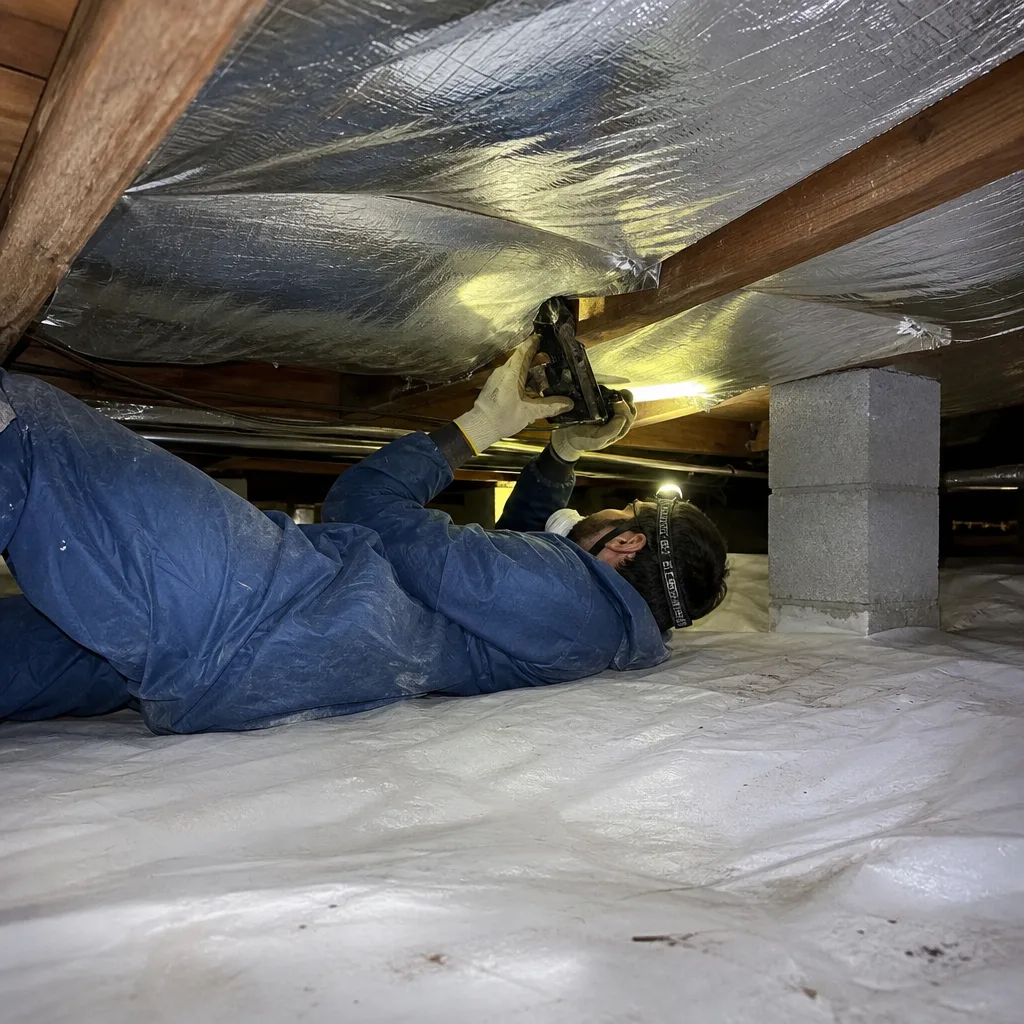
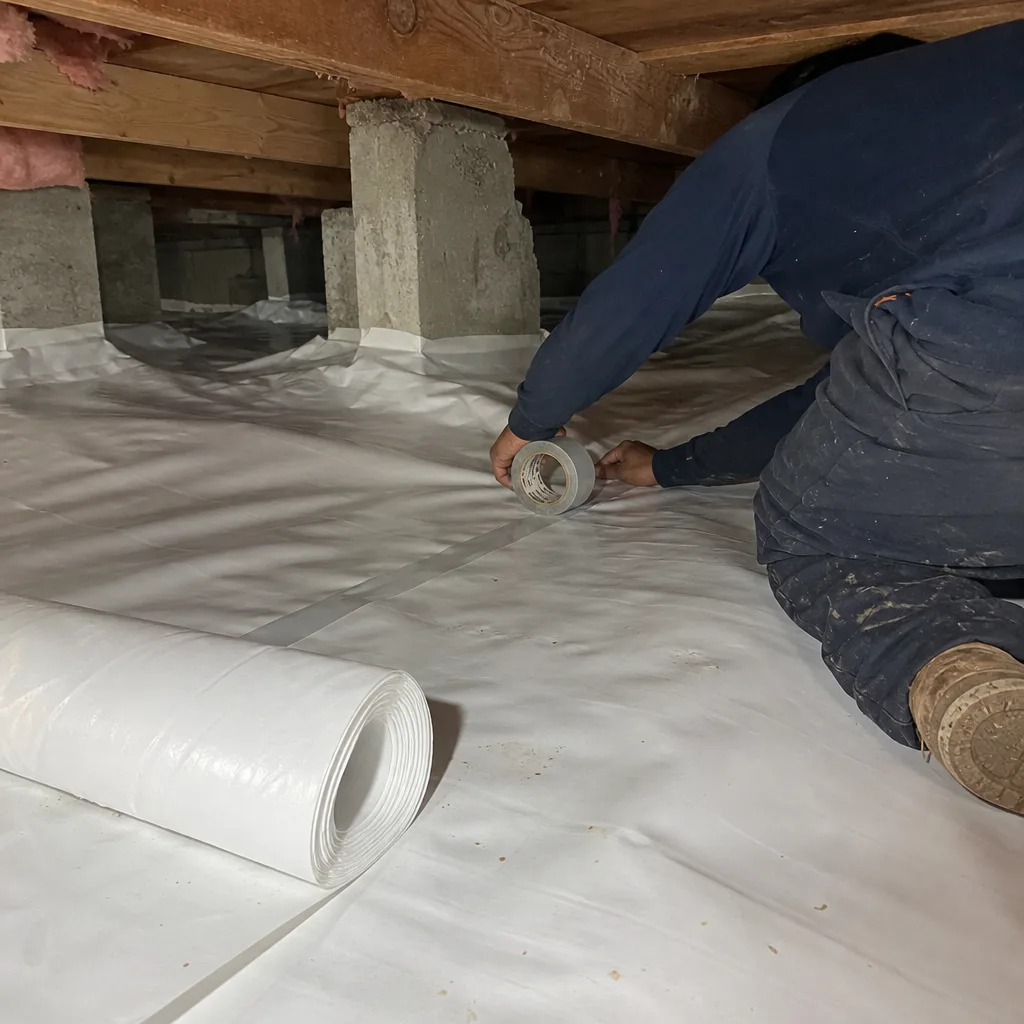
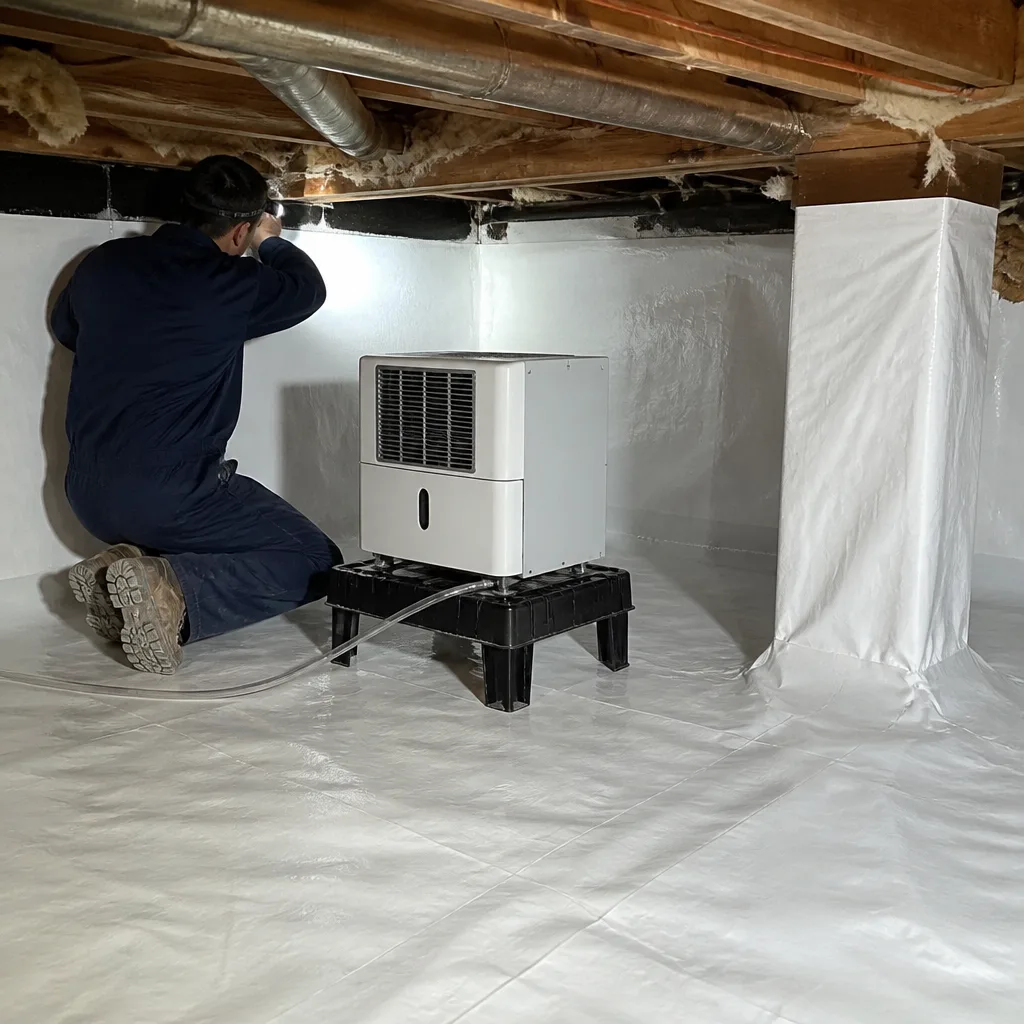
A vapor barrier in a Signal Hill crawl space has to do double duty. It blocks ground moisture, yes, but on methane-zone parcels it also forms part of the gas mitigation assembly. We install reinforced 20-mil poly barriers with taped and mechanically fastened seams, not the 6-mil construction plastic that disintegrates within a few seasons of salt-laden air. The seams get sealed with butyl tape and then secured with batten strips at the foundation wall. In Signal Hill’s windward hilltop conditions, taped overlaps without mechanical fastening fail in under five years. We don’t cut that corner.
Crawl Space Encapsulation
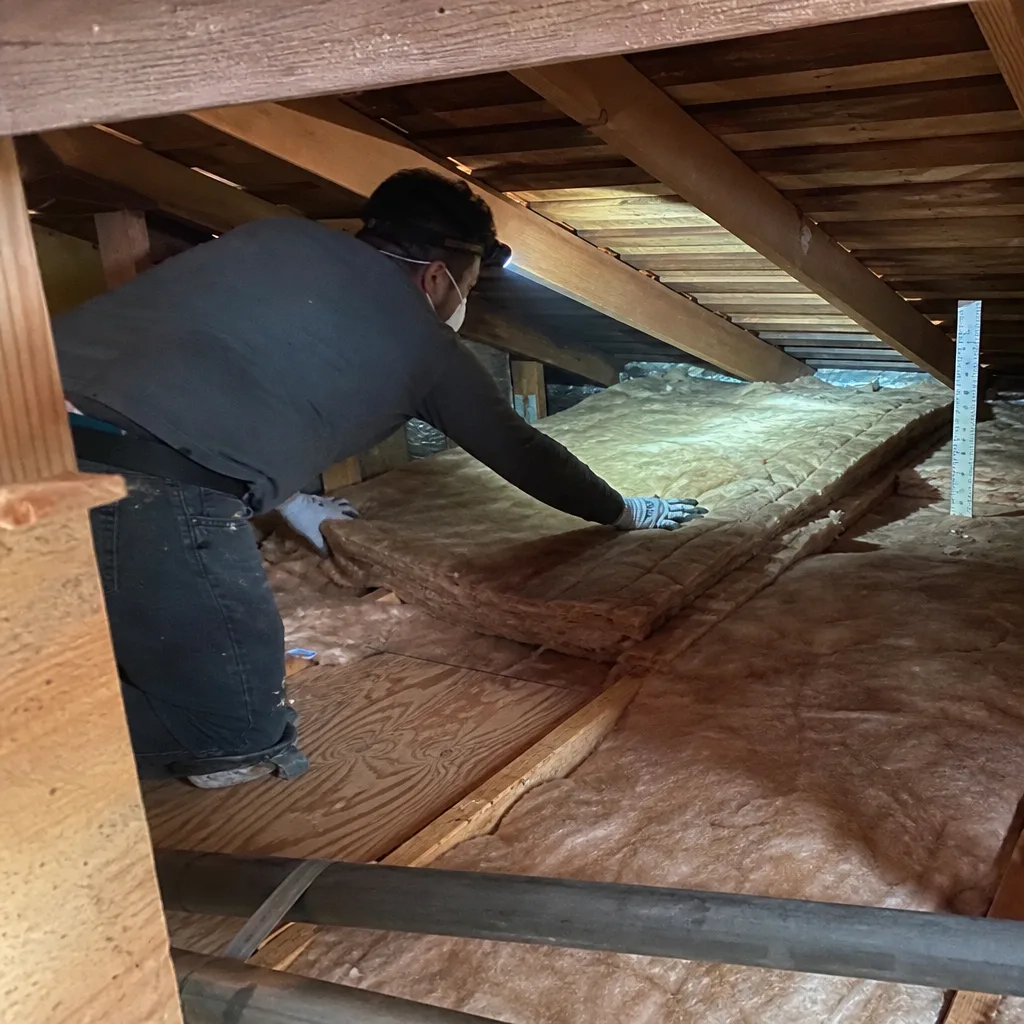
Encapsulation means we’re sealing the entire crawl space, not just the floor: foundation walls, rim joist, support piers, and the access door. In Signal Hill, that access door is a weak point. Salt air corrodes the hinges and latches on older crawl space hatches, and a failed latch lets marine-layer moisture and musty air enter continuously, undoing everything else we seal. We inspect the door assembly as part of every encapsulation quote and replace corroded hardware with stainless steel components when needed. If the parcel is in a methane hazard zone, we coordinate with the building department on the mitigation inspection before the permit closes.
Crawl Space Insulation
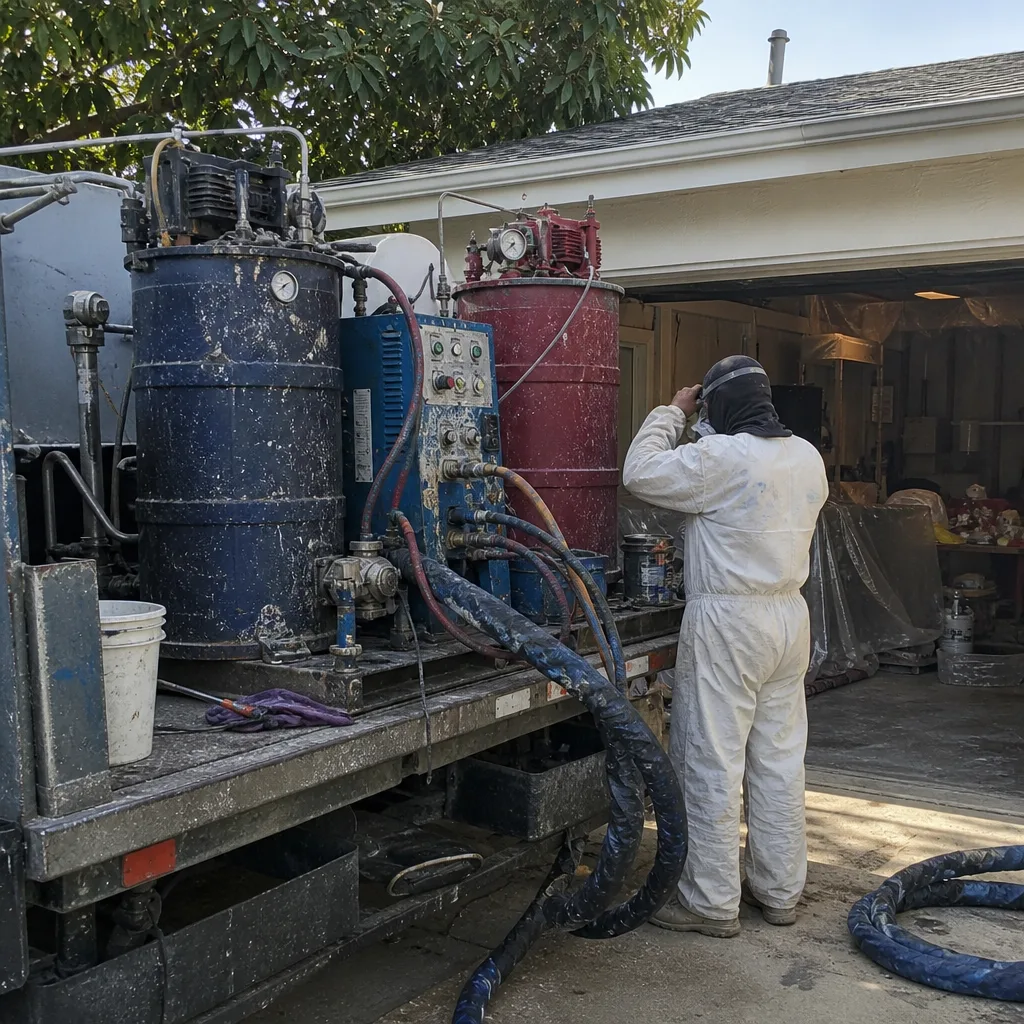
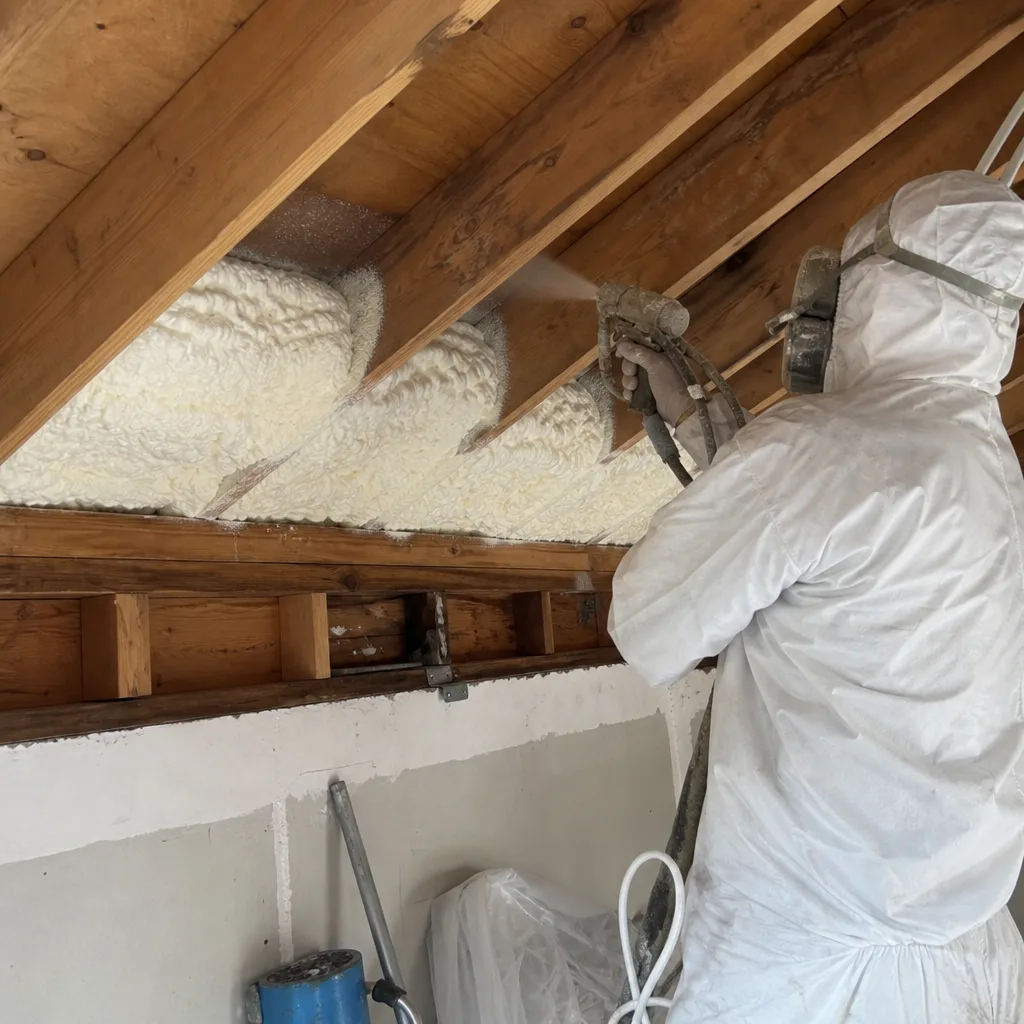
Once the crawl space is sealed, insulation becomes far more effective. We typically use Demilec closed-cell spray foam on the rim joist and foundation walls because it air-seals and insulates in one pass, and it doesn’t absorb moisture the way fiberglass batts do in a below-grade cavity. On mid-century Signal Hill homes with original floor insulation that’s sagging or rodent-damaged, we’ll remove the old material, clean the joist bays, and install either fiberglass batts from Owens Corning or Johns Manville, or spray foam depending on the specific heat-loss profile. The hillside location matters: windward slopes leak more air through the rim joist than sheltered lots, and spray foam is often the only material that actually stops that infiltration.
Crawl Space Moisture Control
Moisture control in Signal Hill isn’t just about standing water. It’s about the daily cycle of marine-layer fog that burns off by mid-morning and leaves humidity hanging in the crawl space air. We address this with a combination of vapor barrier, sealed foundation vents where the code allows, and a drainage mat or sump pump where the grade actually slopes toward the foundation. Some hilltop parcels have surprisingly dry soils, but the homes built into the hillside’s lower terraces collect subsurface runoff that flat Long Beach lots never see. We inspect for that specifically.
What happens when you call
- 1
A real person answersNo phone trees — you reach a local pro.
- 2
You get an upfront price rangeHonest numbers before anyone is dispatched.
- 3
A background-checked tech heads outLicensed & insured, dispatched right away.
- 4
You approve before work beginsNothing starts until you say go.
Trusted Brands We Service in Signal Hill
We stock materials from manufacturers we trust for Signal Hill’s specific conditions. That includes Demilec closed-cell spray foam for rim joist air sealing, Owens Corning and Johns Manville fiberglass for floor insulation, and heavy-gauge reinforced poly barrier systems for encapsulation. We’re not locked into a single brand, which means we match the right material to your crawl space rather than defaulting to whatever’s cheapest on the shelf. For Signal Hill customers, we keep common materials in our Long Beach warehouse, so we’re not waiting on a distributor to ship before we can start your job. That cuts days off most projects.
Common Crawl Space Encapsulation & Vapor Barrier Problems We See in Signal Hill Homes
- Methane-zone vapor barrier failure: On parcels inside Signal Hill’s methane gas intrusion zones, we regularly find original 6-mil vapor barriers that have peeled, puckered, or off-gassed around unsealed crawl space penetrations near slab edges. Gaps around plumbing boots and electrical conduit entries let soil gas migrate upward, and the thin poly was never designed to handle that chemical exposure in the first place.
- Salt-air corrosion of access door hardware: Crawl space access doors on Signal Hill homes, especially condos and townhomes from the 1980s redevelopment era, have hinges and latches that rust through faster than almost anywhere else in the Long Beach basin. Once the latch fails, the gap lets musty air, moisture, and pests in continuously.
- Wind-driven seam failure on hill slopes: On the windward side of the hill, sustained southwest onshore winds push soil gases and moisture-laden air through worn polyethylene seams. If the barrier was installed with only tape at the overlaps and no mechanical fastening, those seams fail in as little as three to five years. We see this constantly on hillside-facing crawl spaces and almost never on the flat ground around Long Beach.
- Compressed or moisture-degraded floor insulation: The mid-century single-family homes from the 1940s through 1960s often still have original fiberglass batts between the floor joists. Decades of crawl space humidity, rodent traffic, and settling have compressed that insulation to a fraction of its intended R-value. Before we encapsulate, we usually recommend removing and replacing it. New insulation over a failed barrier is money wasted.
Pricing for Crawl Space Encapsulation & Vapor Barrier in Signal Hill, CA
Here are honest ranges for Signal Hill work as of 2026. A standalone crawl space vapor barrier on a typical 800 to 1,200 square foot home runs $2,800 to $4,600. Full encapsulation, which includes foundation wall coverage, rim joist treatment, and access door sealing, runs $4,200 to $9,800 depending on access height and whether we’re installing a drainage mat or sump. Crawl space insulation after encapsulation typically adds $2,000 to $4,500. Methane-zone parcels sometimes add a few hundred dollars in permit coordination and inspection time, which we’ll flag in the estimate up front. If you’re comparing quotes, ask whether the bid includes methane-zone permit sign-off. A lot of out-of-town crews don’t even know that’s a thing. Call (562) 784-9031 for a free estimate, and Nate will walk the job with you himself.
We Also Serve Cities Near Signal Hill
Summit Insulation Long Beach is based minutes from Signal Hill, and we run crews daily across the surrounding area. If you’re in Long Beach, Carson, Bellflower, or Compton, we’re already working nearby. You can read more about our full scope of work on our Crawl Space Encapsulation & Vapor Barrier in Signal Hill page, or call (562) 784-9031 and tell us where you are. We’ll get someone out fast.
Serving Signal Hill, CA — Our Local Coverage Area
We’re based in the Signal Hill area and know this community well. Use the map below to see our service coverage — if you’re nearby, we can almost certainly help.
FAQs — Crawl Space Encapsulation & Vapor Barrier in Signal Hill
Yes, if your property sits inside one of Signal Hill’s designated methane gas intrusion zones, and large portions of the city do. The building department requires sign-off on methane mitigation adequacy before the permit closes whenever crawl space encapsulation disturbs or modifies an existing vapor barrier. We pull the methane zone maps before we quote your job, and we handle the inspection coordination ourselves. Call (562) 784-9031 and we’ll tell you whether your parcel is affected before you pay anything.
Because the original 6-mil polyethylene was never designed for methane exposure or the salt-saturated air that moves through the marine layer here. In 1980s condo complexes east of Cherry Avenue, we routinely find barriers that are shredded, peeling, or completely gone within 15 years of installation. Methane from the old oil field degrades the poly chemically, and wind-driven moisture pushes through every compromised seam. A 20-mil reinforced barrier with mechanically fastened, taped seams is what actually holds up in Signal Hill conditions.
Yes. Mid-century Signal Hill homes on raised foundations have crawl spaces that are fully accessible from the exterior, and we can encapsulate the entire under-floor area without touching the slab or any interior living space. The work happens from below, through the access door or a temporary entry we create where needed. If your home sits on a slab-on-grade foundation, that’s a different conversation, but most of the 1940s through 1960s single-family homes on the hill proper have true crawl spaces.
Look under the floor, or have us do it. A methane-ready barrier is reinforced 20-mil or thicker poly, taped and mechanically fastened at every seam, with sealed penetrations around pipes, conduits, and support piers. If you see thin black or clear plastic that’s torn, puckered, or pulled away from the foundation walls, you have a moisture-only barrier that’s failing and likely not compliant with methane-zone requirements. We’ll assess it during a free estimate visit and tell you exactly what needs upgrading.
Yes, and this is one of the biggest side benefits. When your crawl space is sealed and kept dry, the relative humidity drops to levels that dramatically slow the salt-air corrosion of metal ductwork, copper supply lines, and any exposed steel hardware under the floor. Ductwork in damp Signal Hill crawl spaces corrodes at the joints first, leading to air leaks and expensive HVAC inefficiency. Encapsulation can’t reverse existing corrosion, but it stops the conditions that keep accelerating it. If we find badly corroded ducts during encapsulation, we’ll tell you what you’re looking at before you spend a dollar on insulation.
Written by Nate Calloway, Owner and Lead Installer at Summit Insulation Long Beach, serving Signal Hill and greater Los Angeles County since 2015.