
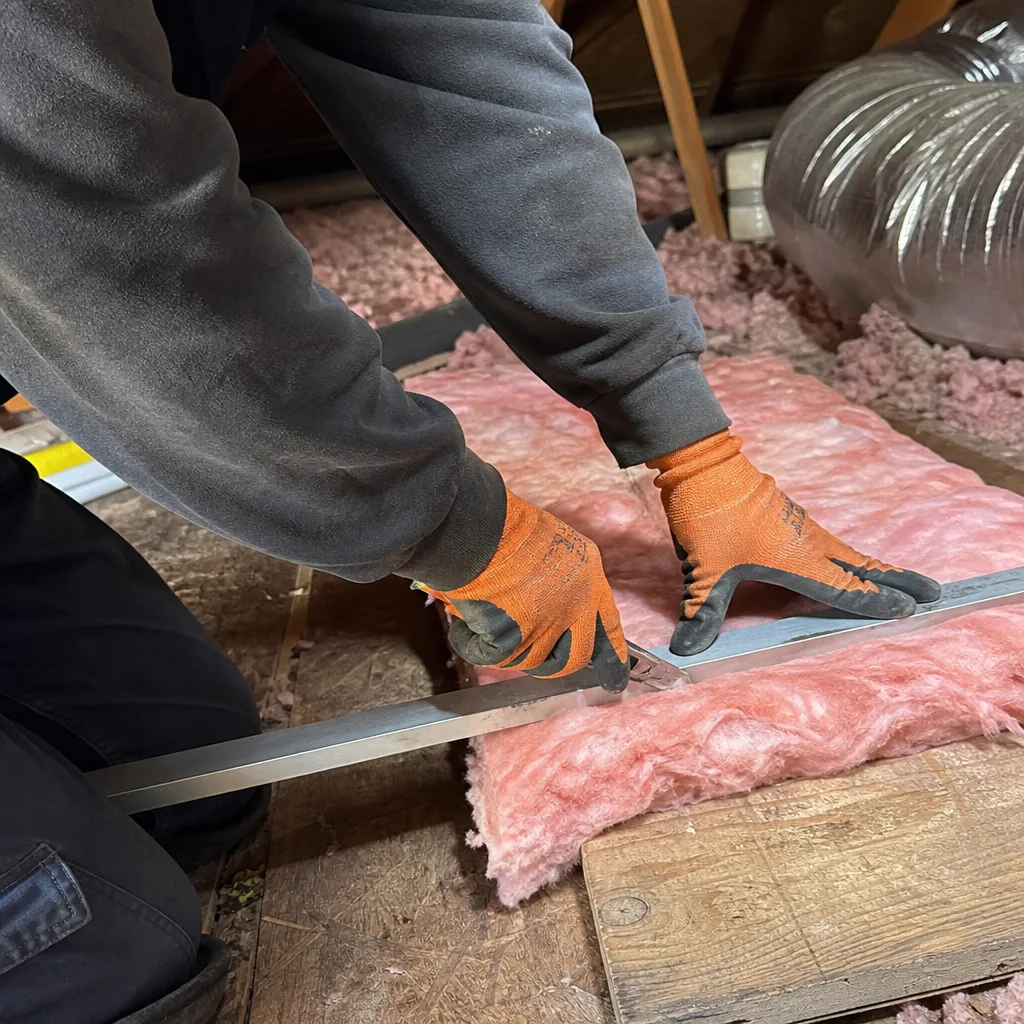
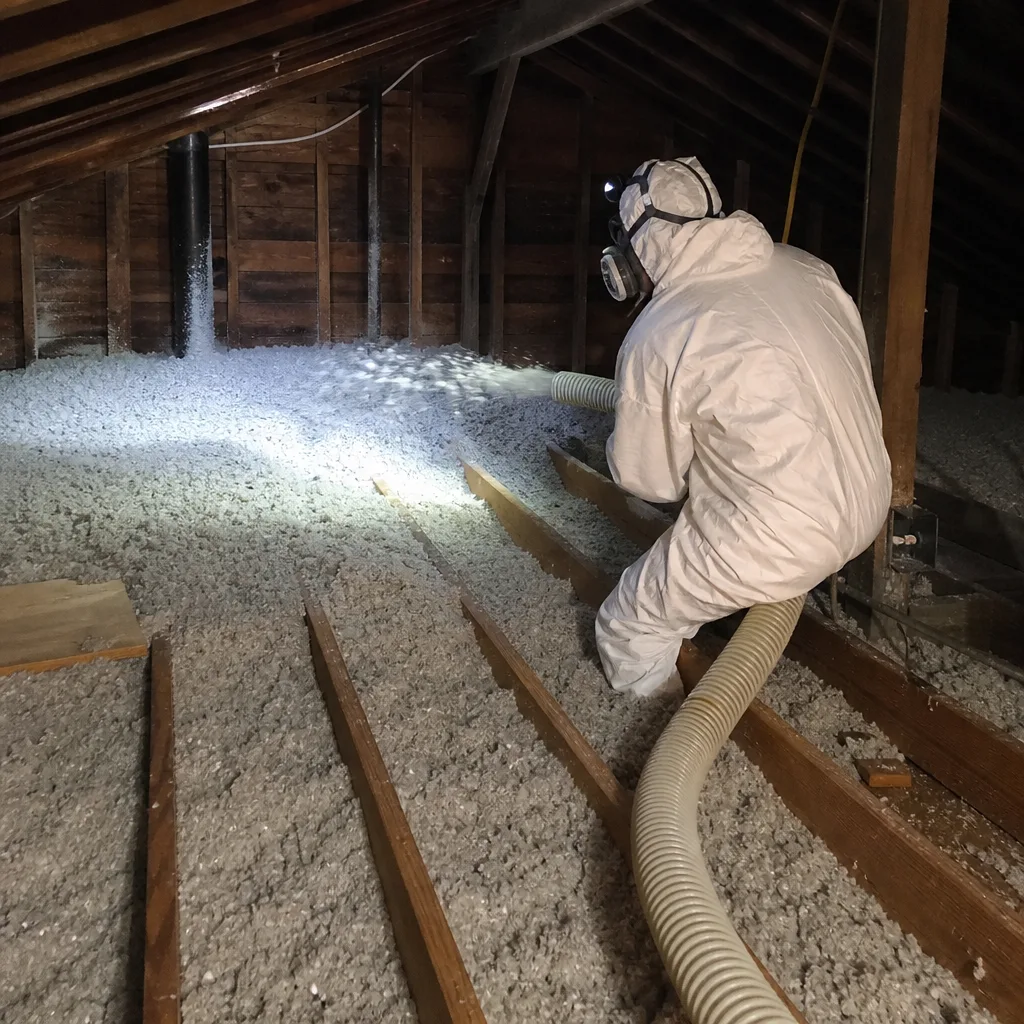
Fast, Reliable Attic Insulation Across Compton
If your Compton home was built before 1978, odds are the attic has insulation that’s doing almost nothing. Most of the stucco bungalows across this city went up without Title 24 energy standards, so attic floors got a thin layer of fiberglass or rock wool that’s been settling for 60-plus years. We service Compton every week, and we know exactly what we’ll find when we open your attic hatch. Call Nate and the crew at (562) 784-9031 for a free estimate. From Willowbrook to Richland Farms, we handle blown-in top-ups, full batt replacement, and baffle repairs across Compton.
Why Summit Insulation Long Beach Is Compton’s Preferred Attic Insulation Company
Nate Calloway personally leads every install. No subcontracted crews, no random techs, no phone-tag runaround. When you book attic insulation in Compton, the owner shows up, opens the hatch, and does the work. That’s been our model from day one, and it’s the reason Compton homeowners keep calling us back ten years later. We’re based in Long Beach, twenty minutes from the Compton border, so same-day diagnostics are normal for us, not a stretch. When a homeowner on Alameda Street calls about a heat-soaked bedroom at 2 p.m. in July, we’re usually in their attic by the next morning.
Our Compton customers tend to say the same things about us: the quote was specific, the work was clean, and the difference in upstairs comfort showed up on the next SCE bill. We’ve worked on compact two-bedrooms near Gonzales Park and larger ranch-style houses near the 91, and we treat them all the same. The attic either gets fixed properly or it stays broken. We don’t do half-measures.
We also know Compton’s housing stock in a way a general contractor from Orange County won’t. When we hear “it’s hot upstairs,” we already know the likely culprit before climbing the ladder: original 1950s batts flattened to under R-5, gable vents painted shut, and maybe a single-pane window cooking the west wall. That local experience means faster diagnostics and a quote that actually matches what the job requires. We stay close to Compton because our customers are here.
Our Attic Insulation Services in Compton
Blown-In Attic Insulation
Blown-in insulation is the workhorse for Compton attics, and for a good reason. Original batt insulation in these homes has settled hard, leaving valleys and bare spots along the joists. Blown-in fiberglass fills those low spots completely, and it’s fast: most Compton jobs are done in a single afternoon. For most pre-1978 homes here, we target an R-38 attic, which is a big step up from the R-5 or R-7 we usually find on arrival.
Attic Batt Insulation
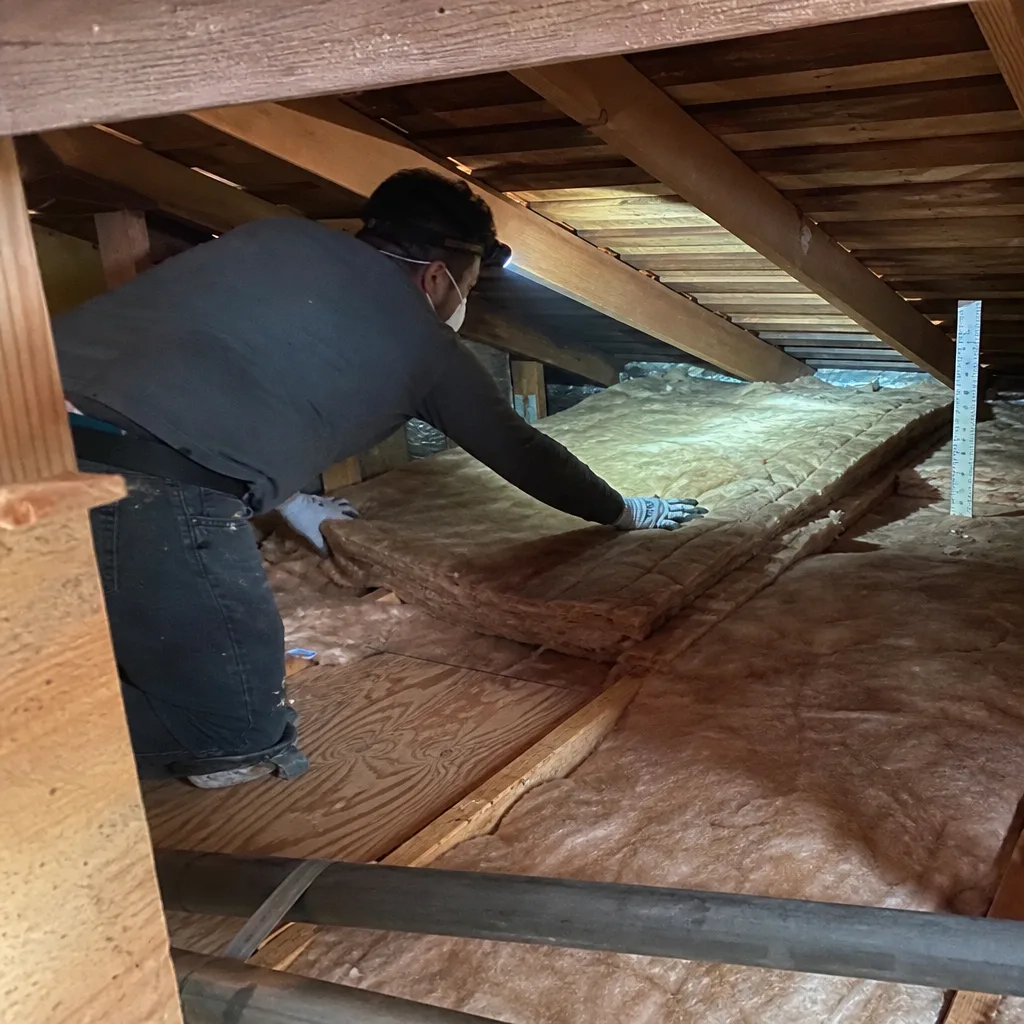
Batt insulation makes sense when the attic will stay open for storage or when the roof deck has large flat spaces without many obstructions. In Compton’s compact bungalows, however, fully replacing old batts with new batts is less common than a blown-in top-up. The exception is attics with obvious rodent damage or water damage, where the old material has to come out completely before anything new goes in. That’s when a clean batt install or fresh blown-in is the right call, and we’ll tell you exactly what your attic needs after we look at it.
Attic Insulation Top-Up
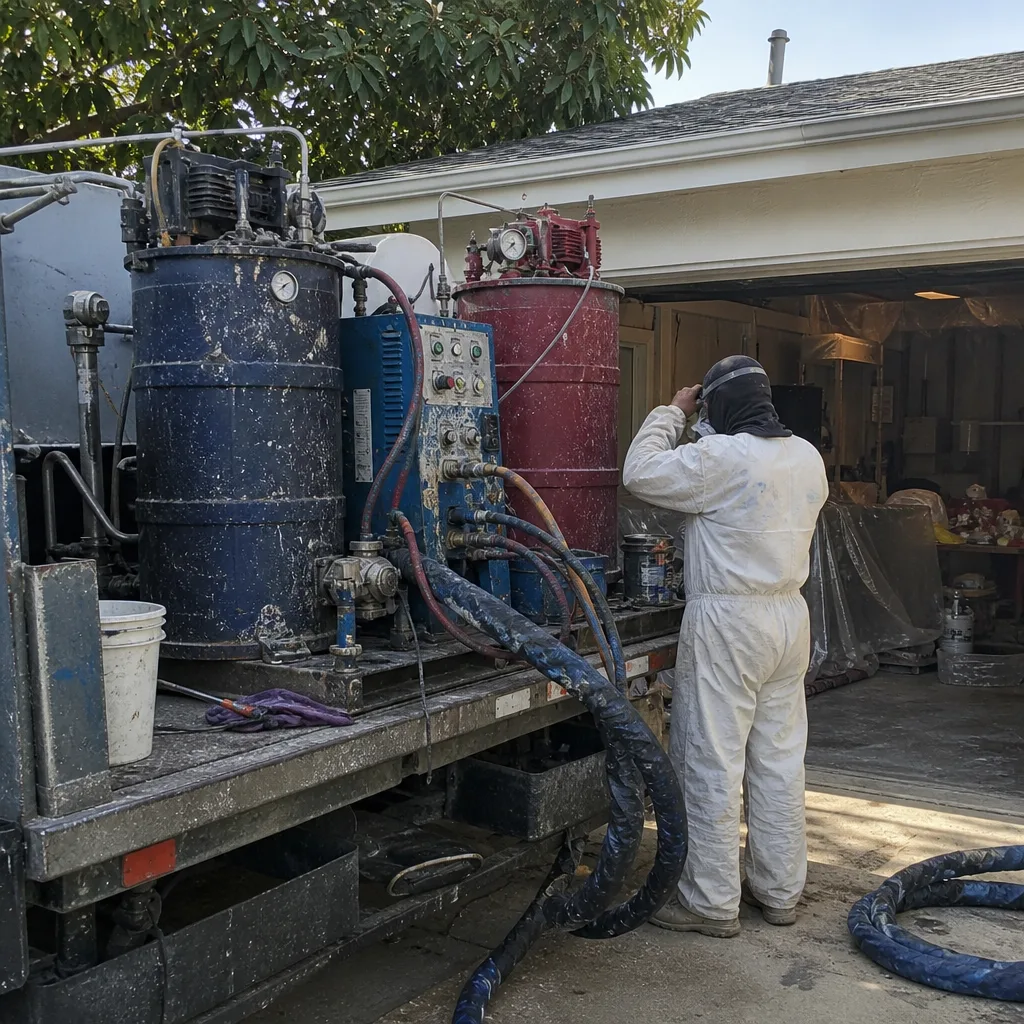
A top-up is the most common job we do in Compton. If the existing insulation is dry, uncontaminated, and still sitting more or less flat, we can add blown-in fiberglass right over the top. This gets the attic to R-38 without the mess and expense of a full removal. In most Compton homes built between the late 1940s and early 1960s, the original material is too thin to keep, but too clean to justify removing. Top-ups in Compton typically run $1,200–$2,400 depending on attic size, and we finish most of them in under a day.
Attic Insulation Replacement
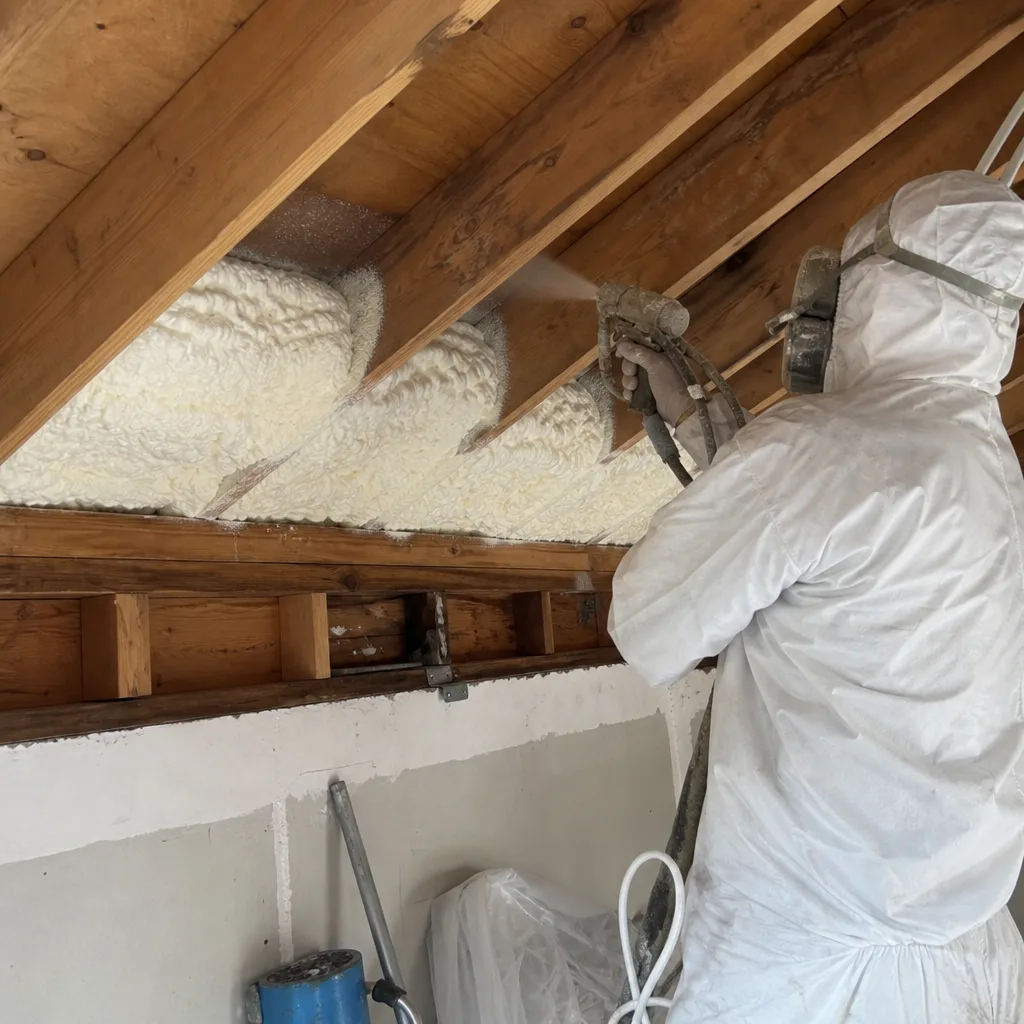
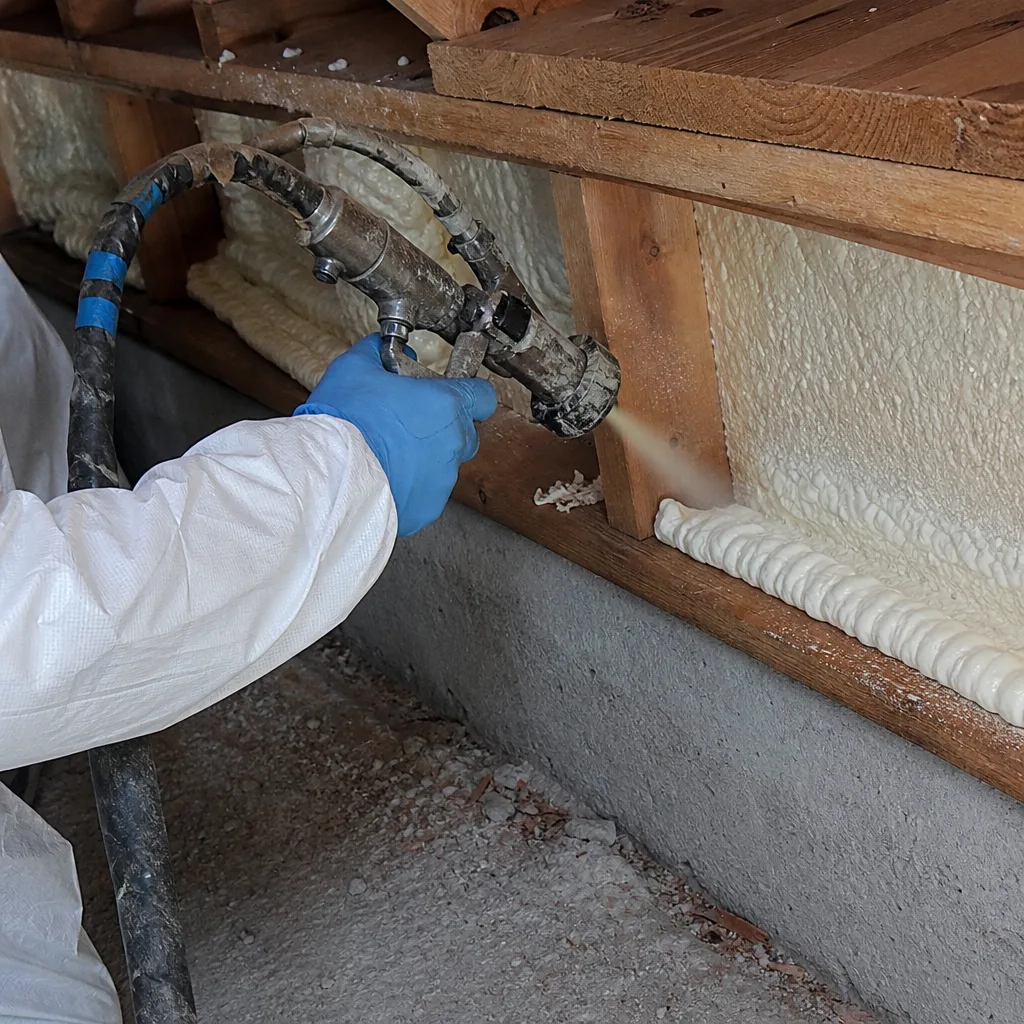
Replacement is for attics with contaminated or failed insulation: rodent droppings, moisture damage, or old rock wool that’s broken down to dust. In Compton, we see this most often in homes that have sat vacant or had a long-running roof leak. Before any new insulation goes in, the old material comes out, the attic gets cleaned and treated, and we check the baffle vents and air sealing. That sequence matters: a fresh layer over a soiled substrate is money down the litter. Attic Insulation replacement jobs are bigger than top-ups, but they’re the only way to reset an attic that’s been neglected for decades.
What happens when you call
- 1
A real person answersNo phone trees — you reach a local pro.
- 2
You get an upfront price rangeHonest numbers before anyone is dispatched.
- 3
A background-checked tech heads outLicensed & insured, dispatched right away.
- 4
You approve before work beginsNothing starts until you say go.
Attic Baffles and Ventilation Prep for Compton’s Low-Slope Roofs
Many Compton homes have shallow roof pitches and original eave vents that haven’t moved air since Eisenhower. Blocked or missing baffles will turn a new insulation project into a mold problem within two years. We include baffle inspection and replacement as part of every installation where airflow is restricted. In a city where attic temperatures can sit above 130°F in late summer, keeping the roof deck breathing is not a nice-to-have. It’s the difference between an attic that stays dry and one that bakes the new material into uselessness.
Trusted Brands We Service in Compton
We carry Owens Corning, Johns Manville, Knauf, and GreenFiber materials, so we match the product to your attic’s conditions rather than forcing one brand onto every job. For Compton’s low-slope, hot attics, we mostly recommend blown-in fiberglass from Owens Corning or GreenFiber cellulose depending on the existing material and access. These are name-brand materials. You’ll see every bag that goes into your attic, and we’ll tell you the R-value delivered before we subtract a dollar from your estimate. If you’re in Compton and want a specific product, we stock enough material locally to schedule your install within a few days, not a few weeks.
Common Attic Insulation Problems We See in Compton Homes
- Original 1950s rock wool compressed below R-5: This is the default condition in Compton’s post-WWII tract housing. The material looks like it’s doing something, but the thermal performance is nearly gone. Most of these attics need a full top-up or replacement, not a patch job.
- Knob-and-tube wiring under old insulation: Compton has more older electrical systems still in service than most neighboring cities. Under California code, insulation cannot be blown in over live knob-and-tube junctions without a licensed electrician’s clearance. We flag it on the first visit and help coordinate the electrical sign-off.
- Blocked soffit vents and missing baffles: The shallow hip roofs common across Compton leave very little room for eave airflow. Painters and roofers have been sealing these vents for decades. Without functioning baffles, new insulation will trap moisture in the attic and shorten its life significantly.
- Zero wall insulation making the attic carry the full cooling load: Those 1940s–1960s stucco walls have empty cavities. That means the attic floor is the only layer between your living space and Compton’s 90°F afternoon heat. An underinsulated attic here doesn’t just waste energy; it makes bedrooms genuinely uncomfortable by 3 p.m.
How Compton’s Climate and Housing Stock Drive Insulation Needs
Compton sits far enough inland that the marine layer burns off by late morning, leaving the afternoon to bake under a dense urban heat island. Paved streets, flat commercial roofs, and older construction hold heat well into the evening. That’s a different problem than what homeowners in Gardena or Carson face. In Compton, a well-insulated attic does more heavy lifting for summer comfort than any other single upgrade. Add in the fact that most homes here have single-pane windows and empty wall cavities, and the attic becomes the primary line of defense against SCE bills that spike during July–September heat events. This is not a coastal cooling problem. It’s an inland cooling problem, and it gets worse the further east you go toward the 710 and 91 corridors.
We also find that Compton attics were originally insulated for a different era. The material installed in 1955 was never meant to sit under a 130°F roof deck for sixty years. It’s compressed, dusty, and often installed with zero air sealing. Our typical Compton job starts with a trapdoor in a hallway ceiling, a ladder, and a hard look at what’s actually up there. That first inspection tells us everything. The good news is that blown-in top-ups work well in these attics, especially after we address the baffles and any electrical clearance issues.
Compton’s ESA Program: Free Insulation for Qualified Homes
One of the most important conversations we have in Compton has nothing to do with product specs. It’s about whether a homeowner qualifies for SCE’s Energy Savings Assistance program, or SoCalGas’s version of it. Because median household incomes in Compton fall within the ESA income thresholds, a significant share of the city’s pre-1978 homes are eligible for free attic insulation installation. We handle the ESA paperwork directly. The process is straightforward: we verify the home’s age and condition, document the attic, fill out the application, and complete the install with no out-of-pocket cost to the homeowner. If you’ve been putting off insulation because of cost, call us before you do anything else. You might be one of the many Compton residents who qualifies for the program and doesn’t know it.
We worked on a 1953 two-bedroom in the Richland Farms area where the original rock wool batts had compressed to under R-5, and knob-and-tube wiring was still active along the joists. We documented the wiring and scheduled a licensed electrician to certify it before clearing the path for an Owens Corning AttiCat blown-in fiberglass top-up to R-38. The homeowner qualified for SCE’s Energy Savings Assistance program, so our team handled the paperwork and completed the job at no cost to them. That’s the kind of sequence we repeat across Compton every month. Before new insulation goes in, the old problems get sorted.
Pricing for Attic Insulation in Compton, CA
Here are honest ranges for the four most common Compton jobs. A blown-in attic insulation top-up on a typical 1,000–1,200 square foot Compton bungalow runs $1,200–$2,400. Attic batt insulation replacement for a standard 2–3 bedroom house runs $1,800–$3,600 depending on material and access. Attic insulation replacement, including removal of old material and air sealing, typically lands between $2,800 and $5,200. Baffle replacement and ventilation prep adds $300–$700 depending on the number of eave vents needing work. The single biggest variable in Compton is whether the attic has active knob-and-tube wiring. If it does, the electrical clearance adds a step but no hidden fees: we’ll quote the exact number after the first inspection. Call (562) 784-9031 for a free estimate, and we’ll give you a fixed price in writing before any work starts. Estimates are free.
We Also Serve Cities Near Compton
We run crews from Long Beach into Compton and the surrounding cities all week. That includes Gardena, Carson, Lynwood, and Paramount. If you’re just outside Compton’s city line, we can usually schedule your attic inspection within one to two business days. Same-day appointments are often available for Compton residents during the peak cooling months, so don’t wait until the next heat wave to call.
Serving Compton, CA — Our Local Coverage Area
We’re based in the Compton area and know this community well. Use the map below to see our service coverage — if you’re nearby, we can almost certainly help.
FAQs — Attic Insulation in Compton
If your household income falls within the ESA thresholds and your home was built before 1978, yes, the program can cover the full cost of attic insulation installation. We process the paperwork for you and complete the install once approved. Call (562) 784-9031 and we’ll walk you through the qualification checklist before we even schedule the inspection. Many Compton homeowners are eligible and don’t realize it.
Only if the attic has active knob-and-tube wiring. In Compton’s 1940s–1960s homes, this is common enough that we check for it on every inspection. California code requires a licensed electrician to certify that the wiring is safe before insulation covers the junctions. We coordinate that electrician’s visit as part of the job, so you don’t have to chase down a second contractor.
R-38 is our standard target for Compton attics. That’s above the bare minimum of R-30, and for good reason: the city’s inland position means summer afternoons regularly exceed 90°F, and the urban heat island keeps pavement and rooftops radiating heat well into the night. An R-38 attic makes an immediate difference in upstairs rooms that have been cooking by 3 p.m.
We inspect every eave vent on the first visit and replace or clear any that aren’t functioning before new insulation goes in. On Compton’s shallow hip roofs, we often find the original baffles crushed flat or missing entirely. Without them, blown-in insulation blocks the soffit vents and traps moisture. We fix the airflow first. Insulation goes in after the attic can breathe.
Yes, noticeably. Most Compton homes have empty wall cavities, so the attic floor is the largest single surface between your living space and the outside heat. Bringing an R-5 attic up to R-38 cuts the cooling load significantly, and that shows up directly on your July through September SCE bills. Wall insulation remains a separate project, but attic work delivers the fastest comfort and cost improvement for these older stucco homes. For an exact number on your house, call (562) 784-9031. The estimate is free.
Summit Insulation Long Beach serves Compton, CA from our base in Long Beach. The owner installs the work himself, the estimate is free, and the phone number is (562) 784-9031. Call today and get your attic inspected before the next heat wave.
Written by Nate Calloway, Owner and Lead Installer at Summit Insulation Long Beach, serving Compton since 2013.