
Fast, Reliable Crawl Space Encapsulation & Vapor Barrier Across Compton
Crawl space encapsulation in Compton usually runs $5,200 to $11,500 for a full job, and a standalone 12-mil vapor barrier with sealed vents typically costs $2,800 to $5,700. Most homes we do are 2 to 3 bedroom stucco bungalows built between 1948 and 1962, so we know exactly what we’re walking into before we pull the first hatch. We’re Summit Insulation Long Beach, and we’ve been down Alameda Street, across the 91, and into Compton more times than we can count. Nate Calloway, our owner, runs the install crew on every job, not a rotating subcontractor.
If your crawl space smells musty after sundown or your summer SCE bill looks like a car payment, call us at (562) 784-9031 for a free estimate. We respond to Compton same-day for emergencies, and most quotes are done within one visit.
Why Summit Insulation Long Beach Is Compton’s Preferred Crawl Space Encapsulation & Vapor Barrier Company
We didn’t start doing crawl space work in Compton yesterday. We’ve been under homes near Rosecrans, off Long Beach Boulevard, and throughout the neighborhoods south of the 105 for years. That matters because Compton’s housing stock has a very specific set of problems that a contractor in Torrance or Whittier won’t recognize on sight. Post-war bungalows here sit low to the ground, with shallow vented crawl spaces that have been pulling damp coastal air through open foundation vents for six or seven decades. The damage pattern is consistent, and we know it cold.
Nate Calloway is the lead installer on every single project. That’s not a marketing line; it means the person who walks your property, writes the quote, and runs the crew is the same guy who owns the company’s name on the tailgate. When you call with a question after the job, you talk to him. Compton homeowners we’ve worked with regularly point to that direct accountability as the reason they didn’t go with a larger firm that sends different crews every week.
Our Crawl Space Encapsulation & Vapor Barrier team carries materials from Owens Corning, Rockwool, and Demilec, so we match the product to the problem instead of defaulting to whatever’s cheapest at the supply house. For Compton’s salt-air crawl spaces, that material choice is not cosmetic; it’s the difference between a liner that fails in eight years and one that holds for twenty-five.
Our Crawl Space Encapsulation & Vapor Barrier Services in Compton
Crawl Space Vapor Barrier
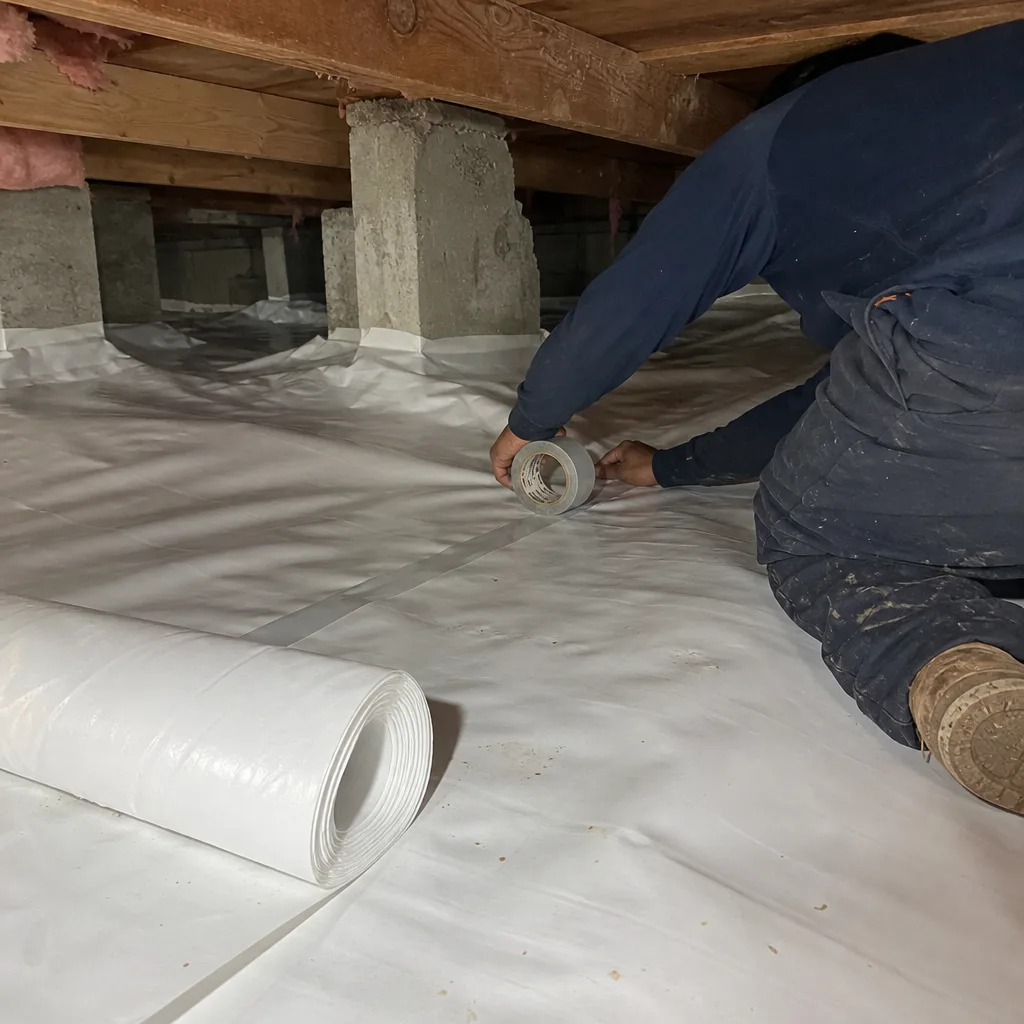
A 12-mil reinforced vapor barrier, mechanically fastened up the piers and sealed at every seam, is the single most effective thing you can do for a Compton crawl space. Your home is close enough to the coast that every evening, as the marine layer rolls back in, moist salt-laden air gets drawn through those open foundation vents. That air condenses on cooler surfaces, wets your floor joists, and slowly eats galvanized straps and copper lines. We lay the barrier to stop that cycle at the source: the dirt floor.
Most Compton jobs we do include removing the old tattered 6-mil poly someone stapled up in the 1990s, grading the soil where it’s pooled, and installing a continuous liner with 12-inch overlap and taped seams. Price for a typical 1,200 square foot crawl space in Compton: $2,800 to $4,200 for the barrier alone.
Crawl Space Encapsulation
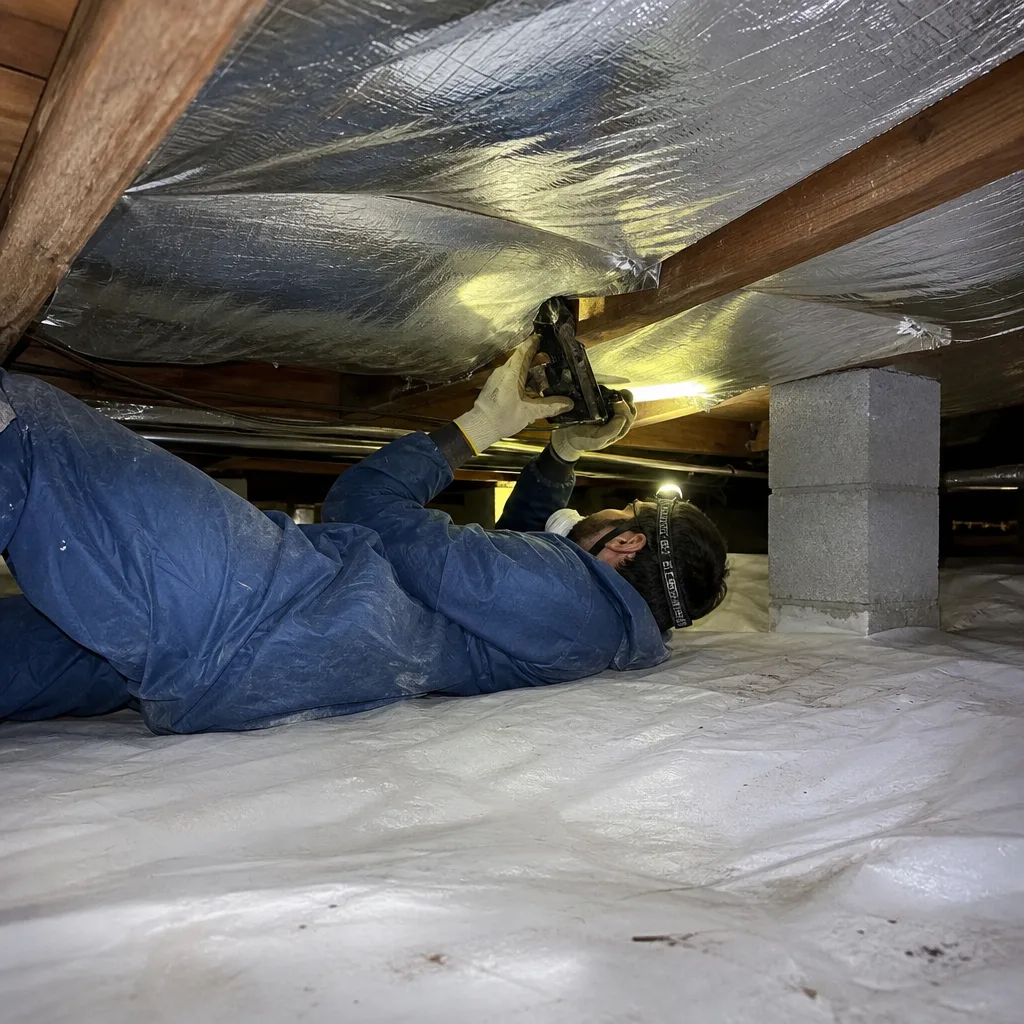
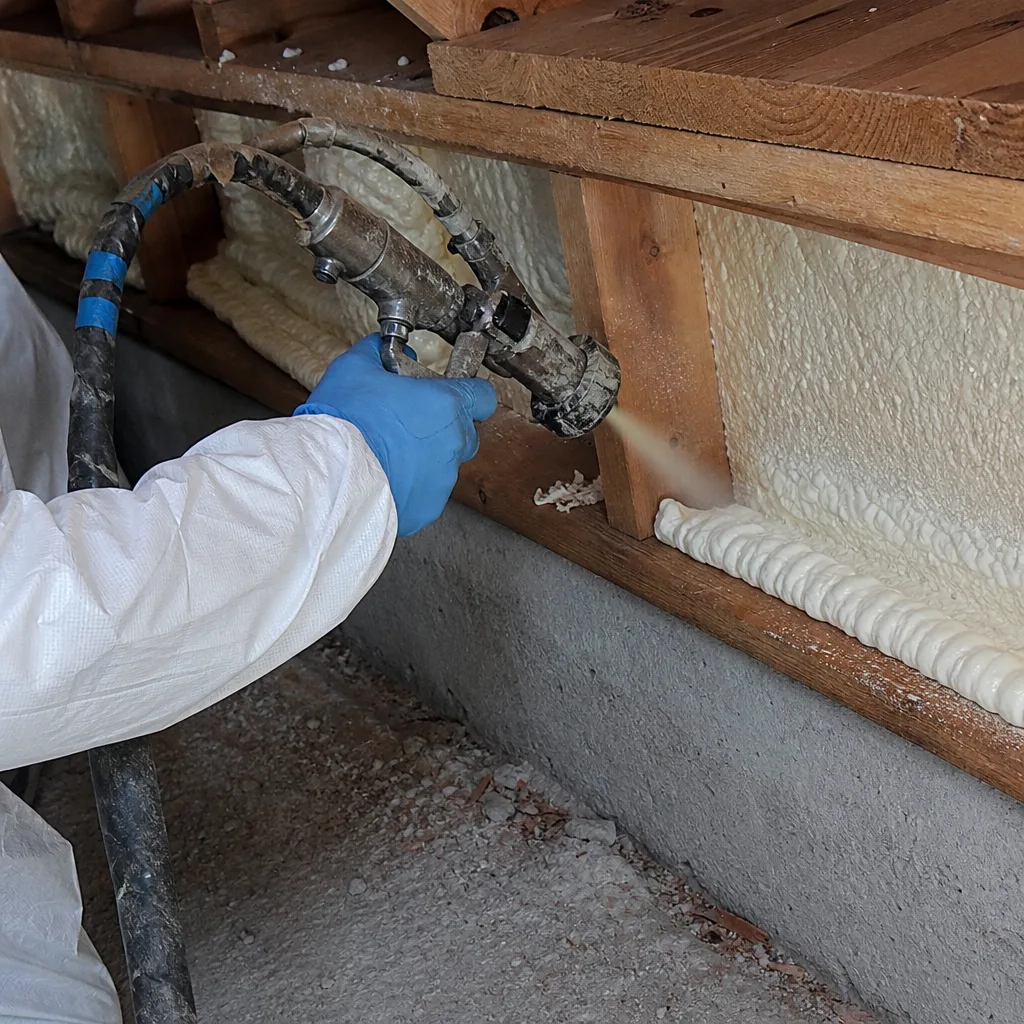
Full encapsulation is the upgrade that turns a damp crawl space into a clean, semi-conditioned space. It means sealing every foundation vent, installing the vapor barrier across the floor and up the foundation walls, insulating the rim joists, and often adding a dehumidifier sized for the space. In Compton, where the urban heat island keeps afternoons in the 90s from June through September, encapsulation also stops hot humid air from being drawn into the crawl space every night and leaking up through your floor system.
We price most Compton encapsulation jobs between $7,000 and $11,500, including the dehumidifier on the larger homes near El Camino College or east of the Blue Line tracks. It’s a bigger investment, but the change in indoor air quality and summer cooling load is measurable within the first month.
Crawl Space Insulation
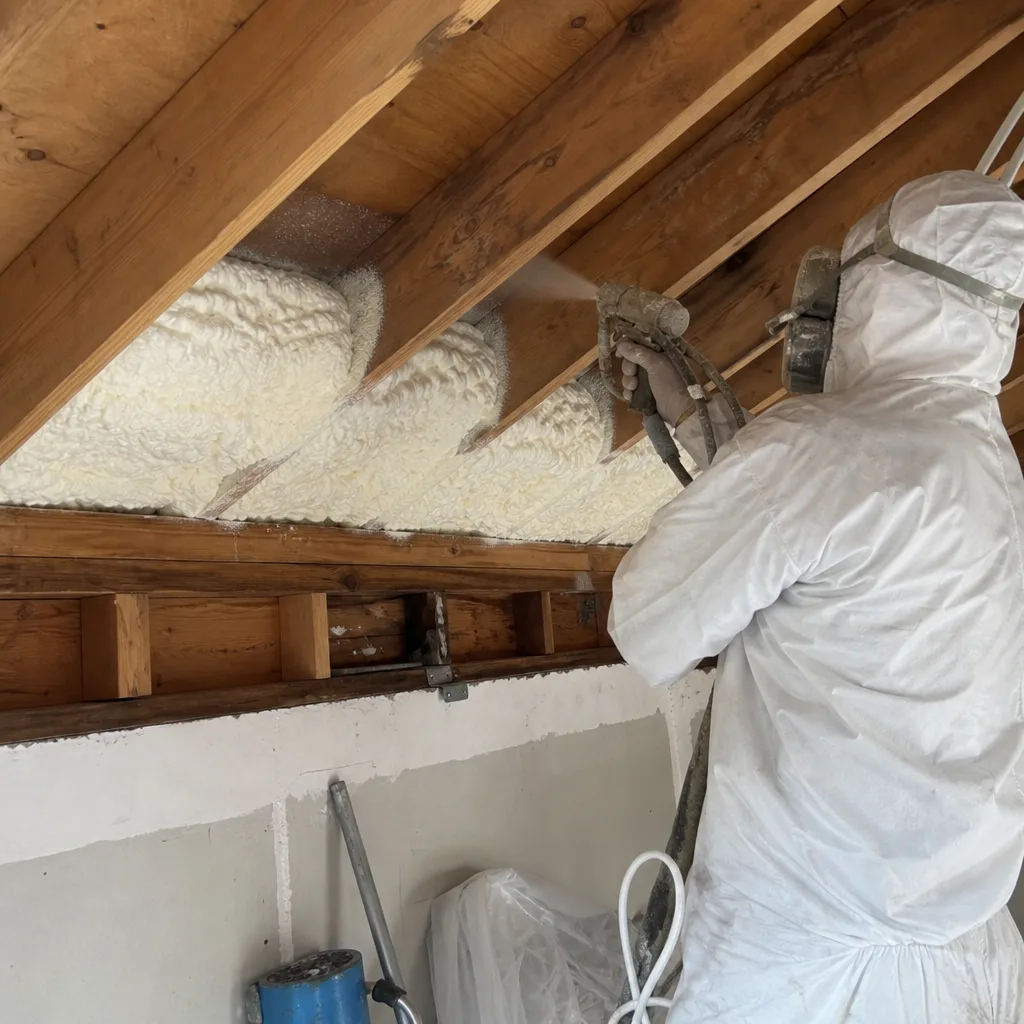
Older Compton homes frequently have the original fiberglass batts sagging from the floor joists, water-stained along the band joist and doing almost nothing for your thermal envelope. Before new insulation goes in, the moisture problem has to be solved; batts installed over a damp crawl space just become a mold sponge. Once the vapor barrier is down and vents are sealed, we re-insulate the rim joists using Rockwool Comfortbatt, which doesn’t wick moisture the way fiberglass does and adds meaningful R-value at the place where most thermal loss happens in a crawl space.
For a 1950s-era Compton bungalow, rim joist insulation with a 12-mil barrier runs $1,900 to $3,600 on its own, or less as part of a full encapsulation.
Crawl Space Moisture Control
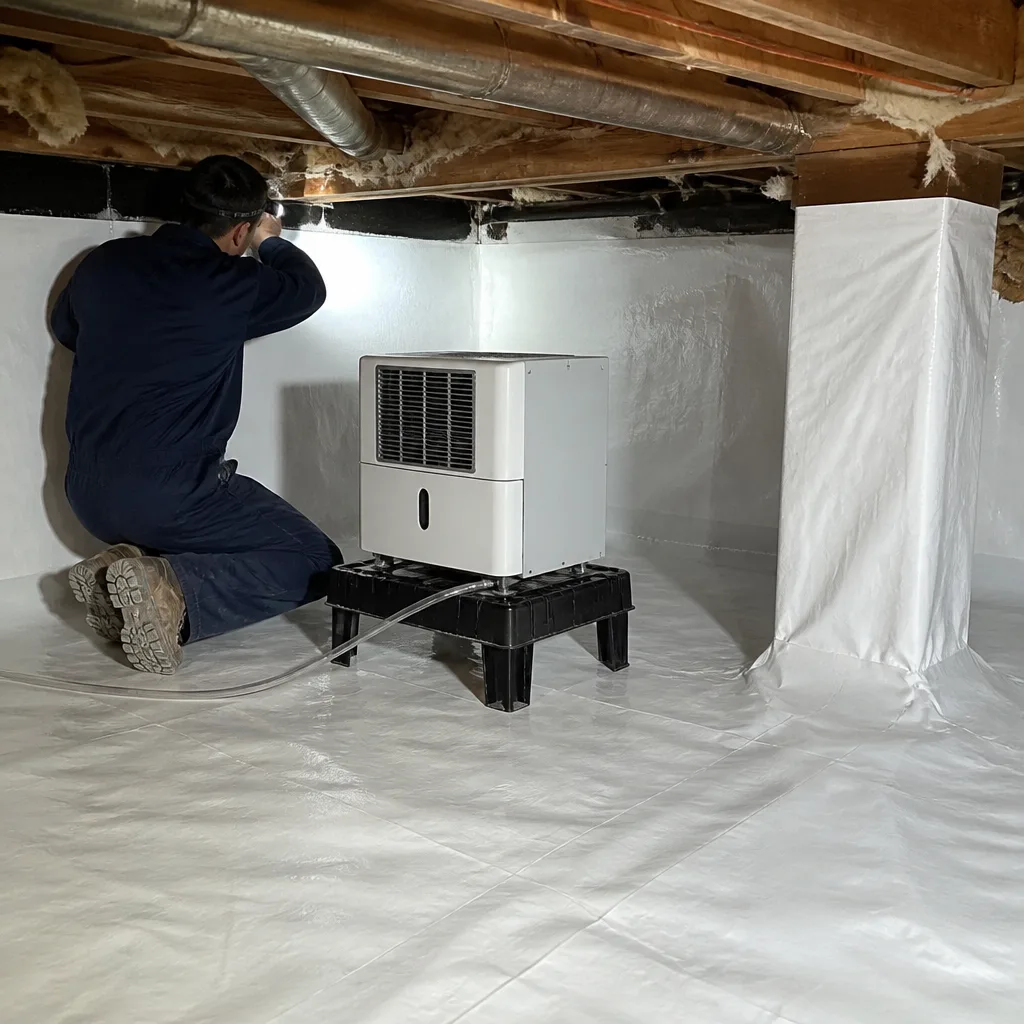
Moisture control in Compton is less about standing water and more about invisible humidity migration. The soil here shrinks during the long dry summers, opening small fissures that then wick moisture upward when the marine layer returns each evening. That’s why you’ll see condensation droplets on the underside of insulation or on copper pipes even when there’s no visible puddle. We address that with a combination of sealed vents, a properly installed vapor barrier, and in many Compton homes, a compact dehumidifier set to hold 50 to 55% relative humidity.
What happens when you call
- 1
A real person answersNo phone trees — you reach a local pro.
- 2
You get an upfront price rangeHonest numbers before anyone is dispatched.
- 3
A background-checked tech heads outLicensed & insured, dispatched right away.
- 4
You approve before work beginsNothing starts until you say go.
Trusted Brands We Service in Compton
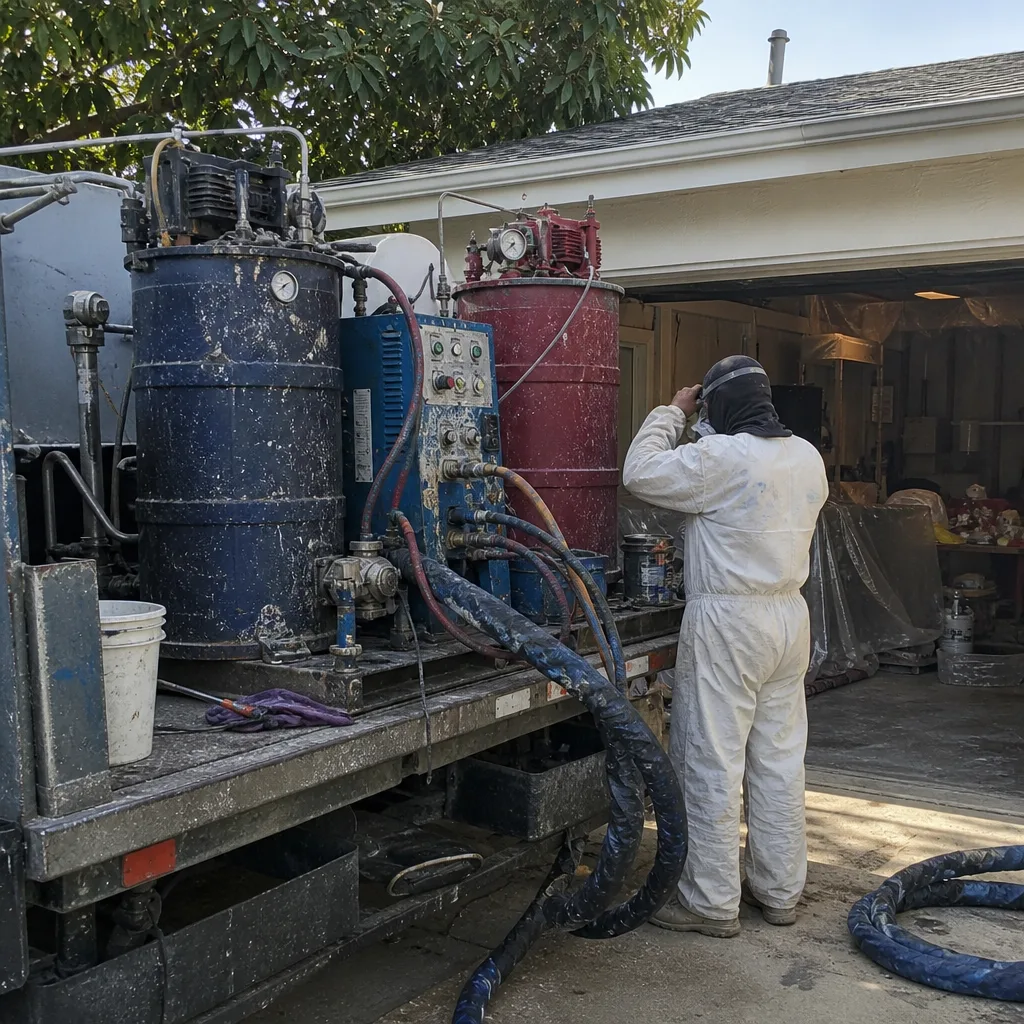
We don’t carry generic contractor-grade insulation, because on a Compton crawl space, material failure shows up fast. Salt air, high humidity, and a soil that shrinks and swells with the seasons will find the weak spot in a cheap product inside a few seasons. That’s why we stock Owens Corning for fiberglass batts, Rockwool Comfortbatt for rim joists and moisture-sensitive areas, and Demilec closed-cell spray foam when the job calls for sealing a rim joist or an awkward foundation transition where a rigid board just won’t fit. Icynene open-cell foam is available for the rare Compton home with a full basement or a raised foundation with accessible floor framing.
The right material for the application is not a slogan here; it’s the way we keep a job from failing in a climate this aggressive on building materials.
Common Crawl Space Encapsulation & Vapor Barrier Problems We See in Compton Homes
- Salt bloom on galvanized support posts. One of the most distinctive things about Compton crawl spaces is the white, chalky scaling on steel posts and straps. That’s salt air drawn in through open vents every evening, condensing, and slowly corroding the galvanized coating. After 15 to 20 years of that cycle, the straps holding your HVAC ducting are ready to snap. We replace them with stainless or re-coated hardware as part of any encapsulation.
- Sodden fiberglass batts along the band joist. The original batts installed in Compton’s 1950s bungalows were never meant to handle the moisture load a vented crawl space produces here. They wick water, sag, and become a mold habitat. Removal and replacement is a standard part of our Compton encapsulation work.
- Rippled, torn vapor barriers over expansive clay soil. Compton sits on clay-heavy soils that shrink in the dry season and swell when moisture returns. That movement makes old poly barriers ripple and tear, especially where they were run over awkward pier pads or left unstretched. Gaps let moisture bypass the liner entirely, which is why we mechanically fasten and seam-seal every barrier we install.
- Condensation on crawl space insulation during heat events. When Compton hits 95 degrees and the marine layer rolls in after sunset, the dew point inside a vented crawl space spikes. Homeowners who poke their heads under the house find water beading on the underside of the floor insulation, and they think they have a plumbing leak. Nine times out of ten, it’s just an unsealed crawl space doing what Compton’s climate forces it to do.
Pricing for Crawl Space Encapsulation & Vapor Barrier in Compton, CA
A vapor barrier only job in Compton runs $2,800 to $5,700 for a full crawl space, depending on square footage, access clearance, and how much old liner has to be cut out and hauled away. Moisture control packages that add vent sealing and a dehumidifier go $4,200 to $7,800. Full encapsulation with rim joist insulation lands between $7,000 and $11,500 on most Compton homes, and that’s the treatment we recommend for anyone planning to stay in the house more than five years.
What moves the number: how low the crawl space sits (some Compton bungalows have less than 30 inches of clearance, which makes the work slower), whether there’s asbestos-wrapped ducting that needs abatement, and whether the old framing has rot where the band joist met damp insulation. Crawl space cleanout, if the space has accumulated debris or a rodent issue, adds $400 to $900.
Estimates are free. Call (562) 784-9031 and we’ll have someone under your house within a few days, not a few weeks.
We Also Serve Cities Near Compton
Summit Insulation Long Beach runs crawl space encapsulation crews throughout central Los Angeles County. Along with Compton, we make regular trips to Gardena, Carson, Lynwood, and Paramount. If you’re in one of those cities, the same crew, the same materials, and the same pricing structure apply. Call us and we’ll schedule the visit from Long Beach.
Serving Compton, CA — Our Local Coverage Area
We’re based in the Compton area and know this community well. Use the map below to see our service coverage — if you’re nearby, we can almost certainly help.
FAQs — Crawl Space Encapsulation & Vapor Barrier in Compton
Compton sits far enough inland that the marine layer burns off by noon most summer days, leaving the afternoon sun to bake the city’s flat asphalt and stucco rooftops into a proper heat island. By evening, the air inside a vented crawl space is hot, humid, and salt-laden. That air migrates up through your floor and pushes your AC to work harder, which Long Beach homes get some relief from because the ocean breeze reaches them sooner and more consistently. Sealing those vents and laying a proper vapor barrier cuts the moisture load and the cooling load in one move. Call (562) 784-9031 if you want exact numbers for your house.
12-mil reinforced, every time. A 6-mil poly liner is what builders stapled into Compton crawl spaces in the 90s, and by now most of it is shredded. The expansive clay soil under Compton shifts with the seasons, and a thin liner rips when the ground under it moves. A 12-mil reinforced barrier rated for direct ground contact will hold up through those cycles and won’t tear when someone has to crawl across it during a future plumbing repair. We don’t install 6-mil in Compton because we’d be back in five years replacing it.
The salt itself doesn’t eat the poly barrier like it eats steel. What it does is concentrate on the barrier surface every time humid coastal air condenses and evaporates, leaving a fine salt crust that signals strong moisture cycling. That same salt air is aggressively corroding anything metal in the crawl space, which is why an encapsulation job needs to include an inspection and replacement of corroded galvanized straps, support post fasteners, and any copper lines showing signs of pitting. That’s the corrosion-informed part of encapsulation that most companies skip.
During a Compton heat wave, the soil under your house is hot and dry, and the crawl space air is hot and humid from the evening marine push. When that air meets the cooler surfaces under your floor, like air-conditioned floor joists and copper pipes, it hits the dew point and condenses. That’s not a plumbing leak; it’s a ventilation problem. Sealing the vents, laying a vapor barrier, and controlling humidity with a small dehumidifier eliminates the condensation source entirely.
Most do, and we recommend it whenever there’s old contaminated insulation, rodent droppings, construction debris, or a previous barrier that’s torn beyond reuse. Laying fresh materials over a dirty crawl space just seals the contamination in. We sort the cleanout as a line item, not a hidden upsell, and it typically adds $400 to $900 to a Compton job depending on how much has to come out. The cleanout happens before new insulation goes in, always.
If you’re in Compton and your crawl space is damp, salty, or just smells wrong, call Summit Insulation Long Beach at (562) 784-9031. We’ll send someone who actually installs the work, quote you straight, and get it done before the next heat wave rolls in.
Written by Nate Calloway, Owner at Summit Insulation Long Beach, serving Compton since 2006.