
Fast, Reliable Crawl Space Encapsulation & Vapor Barrier Across Commerce
Crawl space encapsulation in Commerce typically costs $4,500–$12,000 depending on square footage, access height, and whether the existing insulation needs removal first. Most jobs are finished in one to three days. Call (562) 784-9031 for a free on-site assessment. Our crews work throughout Commerce, from the residential pockets off Eastern Avenue to the older homes near Bandini Boulevard, and we’re usually in your crawl space within 48 hours of the first call.
This is not a city where a generic vapor barrier install makes sense. The industrial parcels that surround nearly every Commerce residence change how moisture behaves underground. We treat the crawl space here differently than we would in Downey or Whittier, because the soil temperatures, ground vibration, and air quality are different. Nate Calloway, our Owner and Lead Installer, has spent years mapping how Commerce’s industrial surroundings affect residential crawl spaces, and he brings that experience to every job we quote. Before new insulation goes in, we address the moisture problem at the source. That sequencing matters in Commerce more than almost anywhere else in the LA Basin.
Why Summit Insulation Long Beach Is Commerce’s Preferred Crawl Space Encapsulation & Vapor Barrier Company
We work in Commerce regularly, and we know the city’s housing stock: small single-family homes from the 1940s through the 1960s, many with original wood framing, short crawl space clearances, and zero wall insulation. These homes were built when the surrounding land was still agricultural or light rail. Today they sit adjacent to truck yards, tilt-up concrete warehouses, and loading docks that run 24 hours a day. That context shapes everything we do under the house.
Our Crawl Space Encapsulation & Vapor Barrier team has completed installations in nearly every residential section of Commerce, including the streets south of the Citadel Outlets and the blocks along Telegraph Road near the Santa Ana Freeway. Homeowners tell us the same thing: another contractor quoted a basic vapor barrier without looking at the heat coming off the neighboring concrete lot. We don’t make that mistake. Nate Calloway personally walks every Commerce job before we quote it, and he installs it himself. You get the owner’s eyes, the owner’s hands, and the owner’s name on the work.
Our Crawl Space Encapsulation & Vapor Barrier Services in Commerce
Crawl Space Vapor Barrier
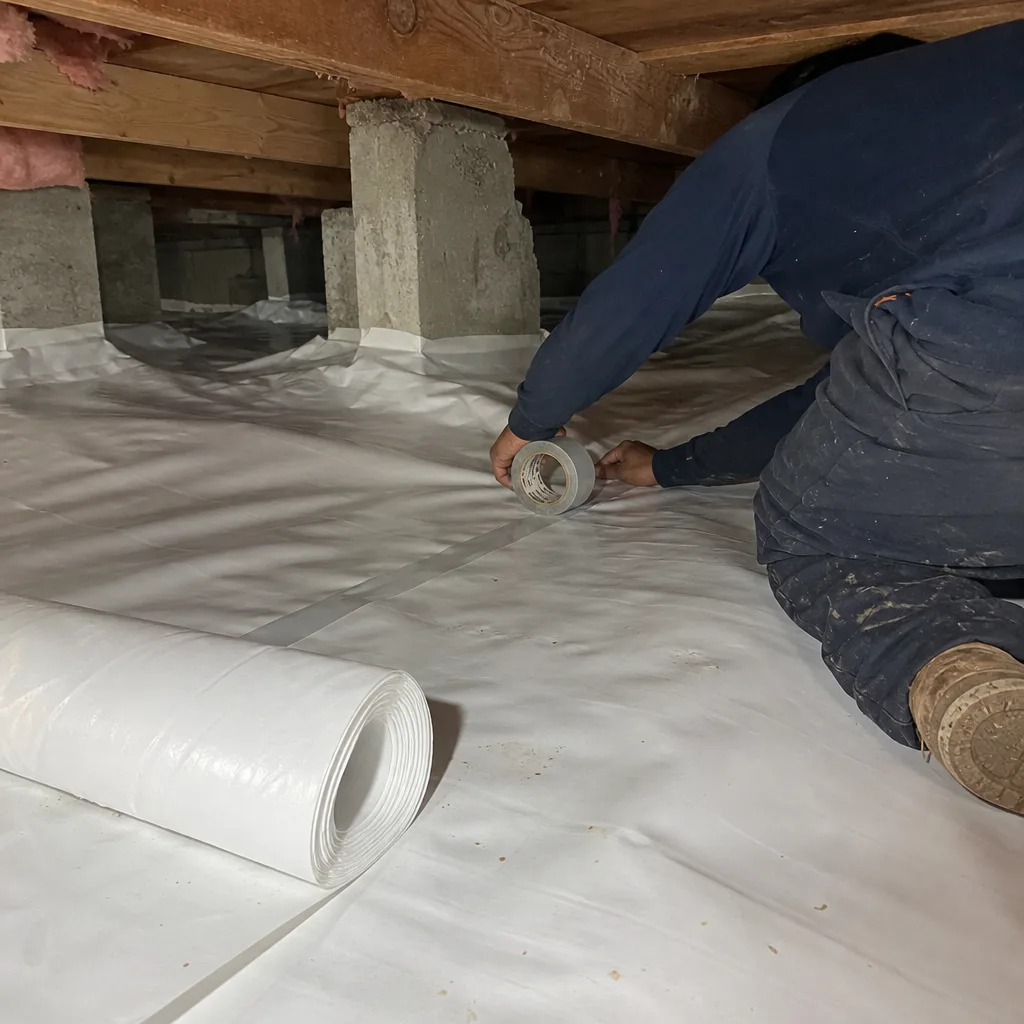
A proper vapor barrier in a Commerce crawl space needs to do two jobs at once: block soil moisture and act as a thermal break against heat radiating from surrounding concrete and asphalt. We install 12-mil reinforced poly barriers, lapped up the stem walls and sealed at every seam with acrylic tape, not duct tape. Thin 6-mil poly, which is what many handymen install, fails here within two or three summers because the sustained soil temperatures break down the plastic faster than a coastal city would.
Crawl Space Encapsulation
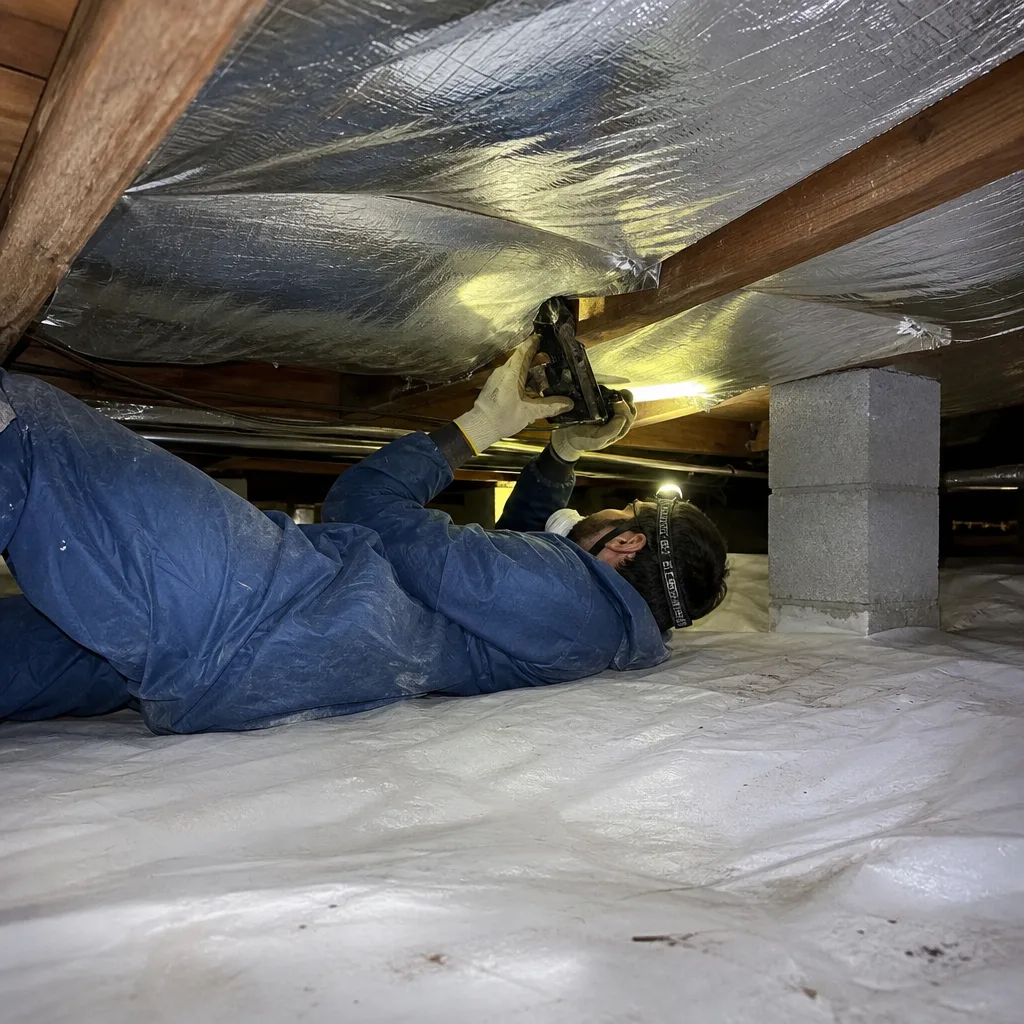
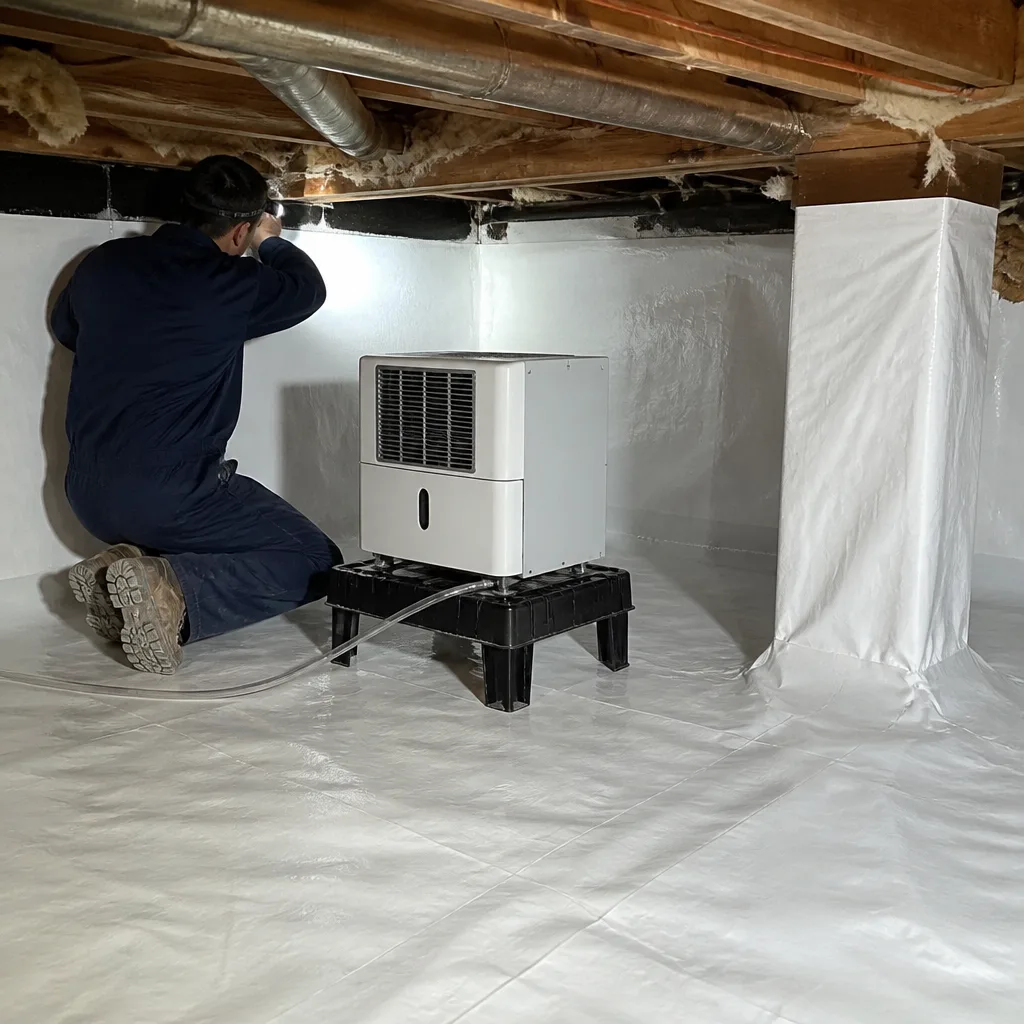
Encapsulation goes further than a vapor barrier. We seal the vents, insulate the perimeter walls, and condition the space so it stops exchanging air with the outside. In Commerce, this is often the difference between a crawl space that stays dry and one that pulls in diesel-dust-laden air from a nearby loading dock. Our Commerce encapsulation jobs typically include closing foundation vents that were installed 60 years ago and now face a truck route.
Crawl Space Insulation
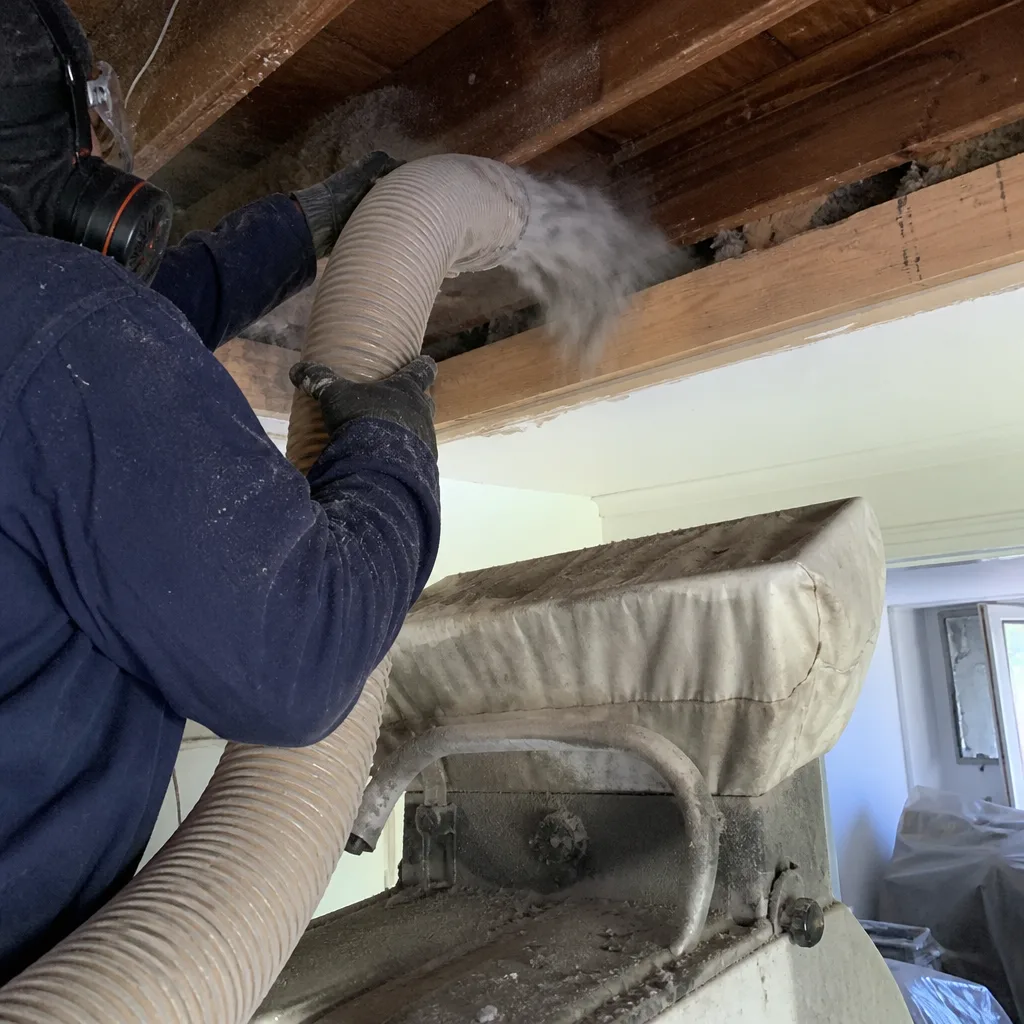
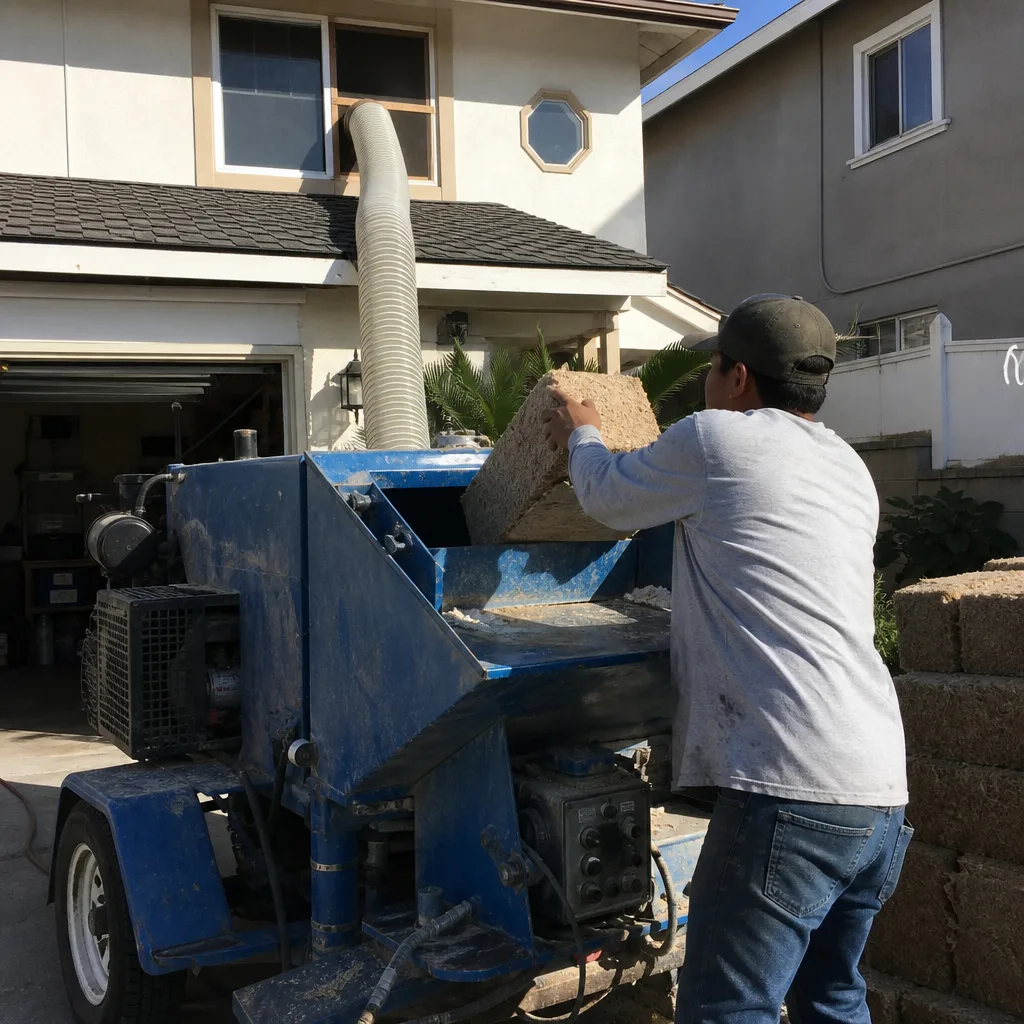
We match the insulation to the conditions. In Commerce crawl spaces, radiant heat from adjacent industrial walls matters as much as cold-air infiltration. Rockwool batts handle that radiant load well, and they don’t hold moisture if a seam opens. For tighter clearances, closed-cell spray foam from Icynene or Demilec gives you both air sealing and insulation in a thinner profile. We don’t default to fiberglass batts in Commerce because the moisture risk is too high when the ground runs warm.
Crawl Space Moisture Control
Moisture in Commerce crawl spaces comes from three directions: groundwater wicking up through soil, humid outside air entering through old vents, and condensation caused by temperature swings between the cool ground and the hot air above. We address all three. That means grading the soil, installing or replacing the barrier, sealing vents, and often adding a dehumidifier for the worst cases. If your crawl space smells musty in August, it’s usually the warm soil releasing moisture faster than the barrier can handle. We fix that.
What happens when you call
- 1
A real person answersNo phone trees — you reach a local pro.
- 2
You get an upfront price rangeHonest numbers before anyone is dispatched.
- 3
A background-checked tech heads outLicensed & insured, dispatched right away.
- 4
You approve before work beginsNothing starts until you say go.
Trusted Brands We Service in Commerce
We stock materials from Owens Corning, Rockwool, Icynene, and Demilec, and we pick the right material for the application rather than whatever is cheapest on the truck that day. For Commerce homes, that usually means Rockwool for radiant heat resistance, 12-mil reinforced poly for the barrier, and closed-cell foam from Icynene or Demilec when we need air sealing and insulation in a low-clearance space. We carry enough inventory to start most Commerce jobs without waiting on a supplier run, which matters when you’re trying to get a crawl space sealed before the next rain.
Common Crawl Space Encapsulation & Vapor Barrier Problems We See in Commerce Homes
- Radiant heat from adjacent truck yards and metal warehouses. The concrete and asphalt next door absorb sun all day and release it into the soil at night. That warm soil keeps the crawl space temperature elevated and speeds up soil gas release, which overwhelms thin barriers and drives musty odors up through the floor.
- Ground vibration from truck traffic. The constant low-frequency rumble of semis on Bandini Boulevard and Eastern Avenue shifts unsealed barrier seams over time. We see barriers installed by other contractors start to open at the overlaps within six months near the busiest corridors. We lap seams a minimum of 12 inches and mechanically fasten them at the stem wall to resist movement.
- Vents placed low and close to hardscape. Older Commerce homes often have foundation vents just a few inches above a concrete walkway or driveway. Once a barrier is down, those vents pull hot, dusty air across the barrier surface, which lifts the edges and re-introduces moisture. We seal and insulate the vents as part of encapsulation.
- Matted, moldy fiberglass from decades of humidity. Before new insulation goes in, the old material has to come out. We remove contaminated fiberglass, sanitize the exposed wood, and only then install the new system. Skipping this step just traps the mold underneath a fresh layer of plastic.
Pricing for Crawl Space Encapsulation & Vapor Barrier in Commerce, CA
A standalone vapor barrier in a typical Commerce home runs $1,800–$4,500. Full encapsulation, which includes sealing vents, insulating the perimeter walls, and installing the barrier, runs $6,000–$12,000 for most homes here. If the existing insulation is moldy or rodent-damaged, removal and replacement adds $1,500–$3,500 depending on square footage and access. Commerce homes tend to have shorter crawl spaces than newer builds, which adds labor time. Every quote is free, and Nate Calloway walks the space before we put a number in front of you. No guessing from a satellite photo. Call (562) 784-9031 to schedule a walkthrough.
We Also Serve Cities Near Commerce
Summit Insulation Long Beach works throughout the surrounding area, including Long Beach, Lakewood, Whittier, and Signal Hill. If you live just outside Commerce, we can still handle your crawl space encapsulation, vapor barrier, and moisture control work. Our Long Beach shop dispatches crews across the southeast LA Basin, and the same owner-installer standard applies no matter which city your home is in.
Serving Commerce, CA — Our Local Coverage Area
We’re based in the Commerce area and know this community well. Use the map below to see our service coverage — if you’re nearby, we can almost certainly help.
FAQs — Crawl Space Encapsulation & Vapor Barrier in Commerce
Because the surrounding industrial land keeps the soil underneath Commerce homes warmer for more hours of the day, which accelerates plastic degradation and soil gas release. A vapor barrier here has to resist both moisture and sustained radiant heat, and a 6-mil barrier installed the way you would in a residential-only neighborhood will start cracking and lifting within two years. We use 12-mil reinforced material and heat-resistant seam tape for exactly this reason. Call (562) 784-9031 if you want us to look at your current barrier and tell you honestly whether it’s doing its job.
No. That smell comes from the industrial operations in the city, not from under your house. But a crawl space with standing moisture or a failing barrier will hold and concentrate that outside odor, making it seem like the smell is inside your home. Once we encapsulate and seal the space, the indoor air stops pulling from the crawl space, and the sulfur odor, along with the musty smell, drops off noticeably.
Not in most cases. In the 1960s-era Commerce homes we work on, the original fiberglass is usually compacted, mold-stained, or chewed through by rodents. Laying a new barrier over that just traps the problem. We remove the old insulation, inspect the joists for moisture damage, sanitize the surfaces, and then install the barrier and new insulation. Skipping removal shortens the life of the new system and leaves the odor problem unresolved.
Yes. In Commerce homes surrounded by concrete and asphalt, the crawl space soil absorbs heat all day and re-radiates it up through the floor into the evening. A full encapsulation with perimeter wall insulation breaks that thermal bridge. Many of our Commerce customers report a 5 to 10 degree difference in floor temperature during summer afternoons once the barrier and wall insulation are in place. If the heat is extreme, we may recommend adding a radiant barrier to the floor joists as well.
For a standard vapor barrier or encapsulation on an existing single-family home, no permit is required in Commerce. If the project includes structural repairs like replacing rotted joists or sill plates, those repairs may need a permit from the City of Commerce Building and Safety Division. We handle the permit application when it’s needed, and we know the city’s industrial-oriented building department well enough to get residential projects through without unnecessary delays. Call (562) 784-9031 and we’ll tell you what your specific job requires.
If your Commerce home has a crawl space that smells, holds moisture, or makes your floors cold in winter and hot in summer, we can diagnose it and fix it the right way. Nate Calloway will walk the space himself, give you a straight answer about what’s needed, and install the system with materials matched to the heat and moisture conditions specific to this city. Free estimates. Call (562) 784-9031 today.
Written by Nate Calloway, Owner and Lead Installer at Summit Insulation Long Beach, serving Commerce and the surrounding southeast LA Basin since 2009.